Unveiling South Africa’s Hidden Gems for Budget Travelers
South Africa stands out as a captivating destination that seamlessly blends diverse landscapes, rich cultural heritage, and vibrant cities—all accessible to the budget-conscious traveler. From the rolling vineyards of the Cape Winelands to the rugged coastlines along the Garden Route, this country offers an abundance of experiences that won’t break the bank. Its unique mix of wildlife safaris, bustling urban centers, and tranquil beaches makes South Africa a truly versatile destination. What sets it apart is the ability to explore these wonders without overspending, thanks to affordable accommodations, local markets, and budget-friendly activities. Whether you are seeking adventure, relaxation, or cultural immersion, South Africa offers something for every traveler eager to experience Africa without exceeding their budget.

In this comprehensive guide, you will discover the best budget-friendly getaways across South Africa. We will explore affordable accommodations, cost-effective activities, and insider tips to maximize your experience while minimizing expenses. Expect insights into hidden gems, practical advice for traveling on a shoestring, and suggestions for making the most of your trip without sacrificing quality. Whether you’re a solo traveler, a couple, or a family, this guide aims to inspire your journey and help you unlock the magic of Africa’s southernmost country—without overspending.
30 days of Prime, totally free.
Table Mountain
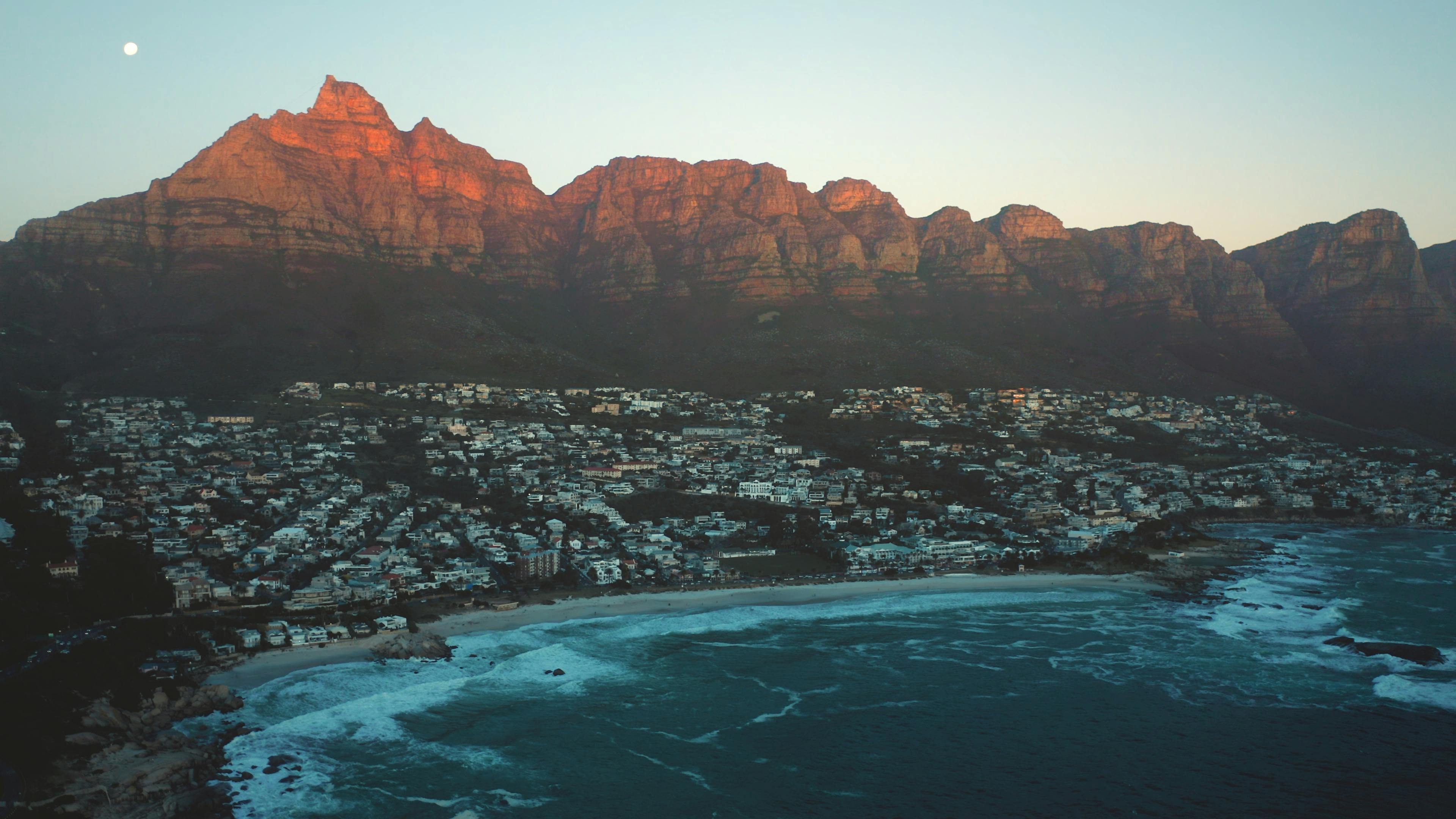
Perched majestically overlooking Cape Town, Table Mountain is one of South Africa’s most iconic landmarks. Its flat-topped summit rises approximately 1,085 meters above sea level, offering breathtaking panoramic views of the city, Atlantic Ocean, and surrounding landscapes. This natural wonder is part of the Table Mountain National Park, a UNESCO World Heritage Site, and has been a symbol of South Africa’s diverse natural beauty for centuries. Visitors flock here not only for the stunning scenery but also for the variety of activities available, from hiking and rock climbing to scenic cable car rides. The mountain’s unique geology, rich flora, and fauna make it a must-visit destination for nature lovers and adventure seekers alike.

One of the most popular ways to experience the mountain is via the Table Mountain Aerial Cableway, which offers a quick and spectacular ascent to the summit. The cable car rotates slowly, providing 360-degree views that are perfect for photography. For those seeking a more budget-friendly adventure, there are numerous hiking trails that lead to the top, including the Platteklip Gorge route, which is both challenging and rewarding. The mountain’s diverse ecosystems host over 2,200 plant species, many of which are endemic to the region, making it a paradise for botany enthusiasts. Birdwatchers can also spot species such as the Cape Sugarbird and Sunbirds.
When planning your visit, consider the weather, as clouds often roll over the summit, obscuring views. The best time to visit is during the spring and summer months from September to March, when the weather is generally clearer and warmer. Entry fees for the cableway are affordable, especially when combined with a day pass for exploring the park on foot. Remember to wear comfortable shoes, bring water, and dress in layers, as temperatures can vary significantly between the base and summit. Whether you’re seeking an adrenaline rush or a peaceful hike, Table Mountain offers a unique, budget-friendly experience that captures the essence of Africa’s natural grandeur.
Kruger National Park
Located in northeastern South Africa, Kruger National Park is one of Africa’s largest game reserves, covering approximately 19,500 square kilometers. It is renowned for its incredible biodiversity, hosting the Big Five—lion, leopard, elephant, buffalo, and rhinoceros—as well as hundreds of other mammal, bird, reptile, and plant species. The park’s vast savannahs, dense forests, and wetlands create a diverse habitat that attracts wildlife year-round. For travelers on a budget, Kruger offers a variety of affordable accommodation options, from basic campsites to budget lodges, making it accessible for all types of travelers. Visiting Kruger is an unforgettable experience for those eager to see Africa’s iconic wildlife in their natural environment.
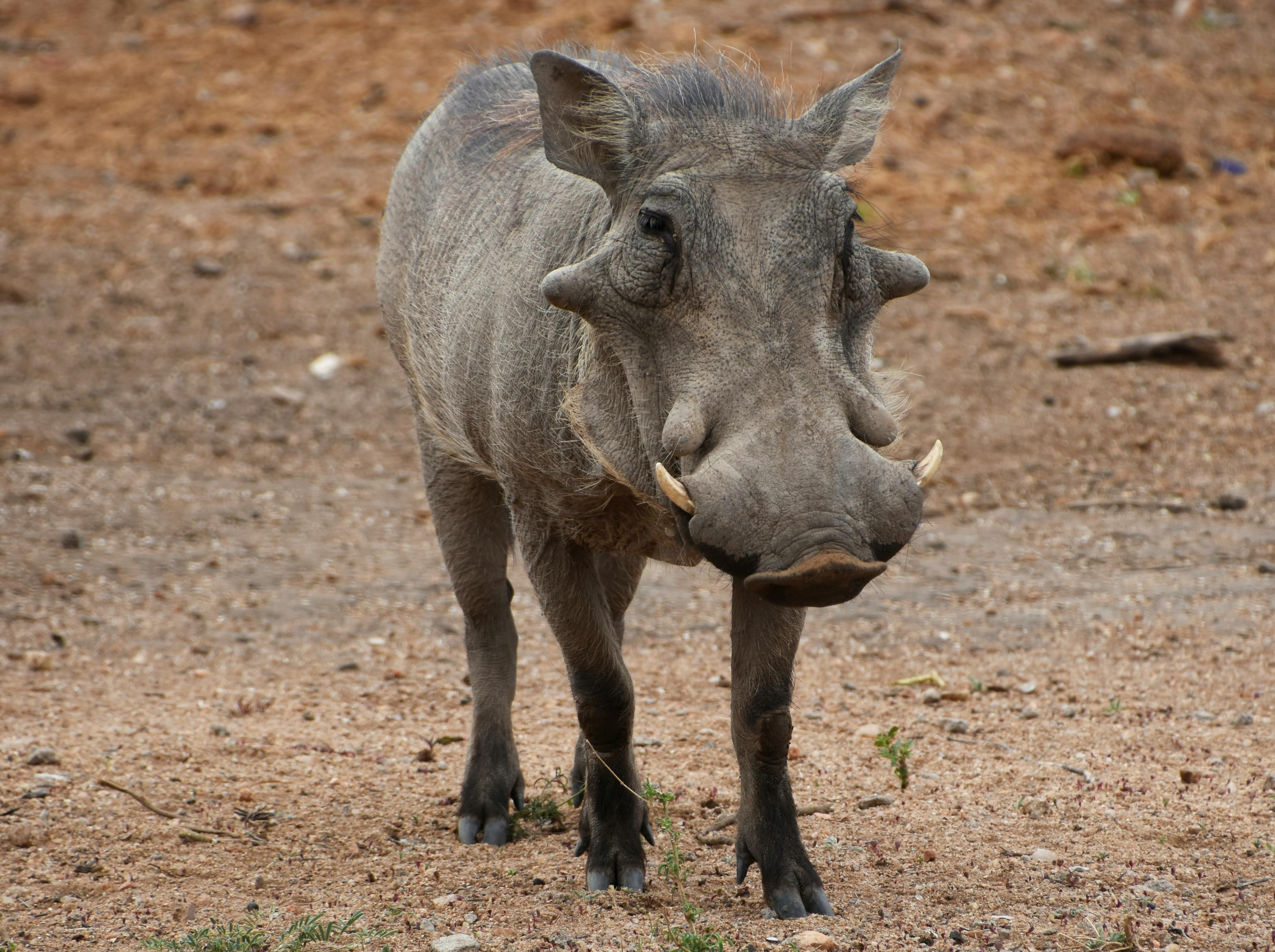
The park is conveniently accessible via multiple entry gates, with roads that are well-maintained for self-drive safaris, which are the most economical way to explore. Guided game drives and walking safaris are also available, providing different perspectives on the park’s wildlife and landscape. Early mornings and late afternoons are the best times for wildlife viewing, as animals tend to be more active during these cooler periods. Visitors should bring their own supplies, including food, water, and binoculars, to keep costs low. Entrance fees are reasonable, especially for South African residents and international visitors who plan multiple visits.
Kruger’s landscape varies from open plains to dense bush, offering excellent opportunities for photography and birdwatching. The park’s interpretive centers and guided tours enhance understanding of the ecosystem and conservation efforts. For budget travelers, self-catering options and camping facilities provide a cost-effective way to stay within the park. Visiting Kruger allows travelers to connect with Africa’s wild side without breaking the bank, making it an essential part of any South African adventure for wildlife enthusiasts and nature lovers alike.
Robben Island
Situated just off the coast of Cape Town, Robben Island is a UNESCO World Heritage Site steeped in history and significance. It is best known as the prison where Nelson Mandela was held for 18 of his 27 years behind bars. The island’s history dates back centuries, having served as a military base, leper colony, and political prison. Today, Robben Island stands as a powerful symbol of resilience, struggle, and hope. Visitors can explore the former prison, learn about South Africa’s turbulent past, and reflect on the country’s journey toward freedom. The island’s rugged beauty and historical importance make it a compelling destination for travelers seeking cultural and educational enrichment.
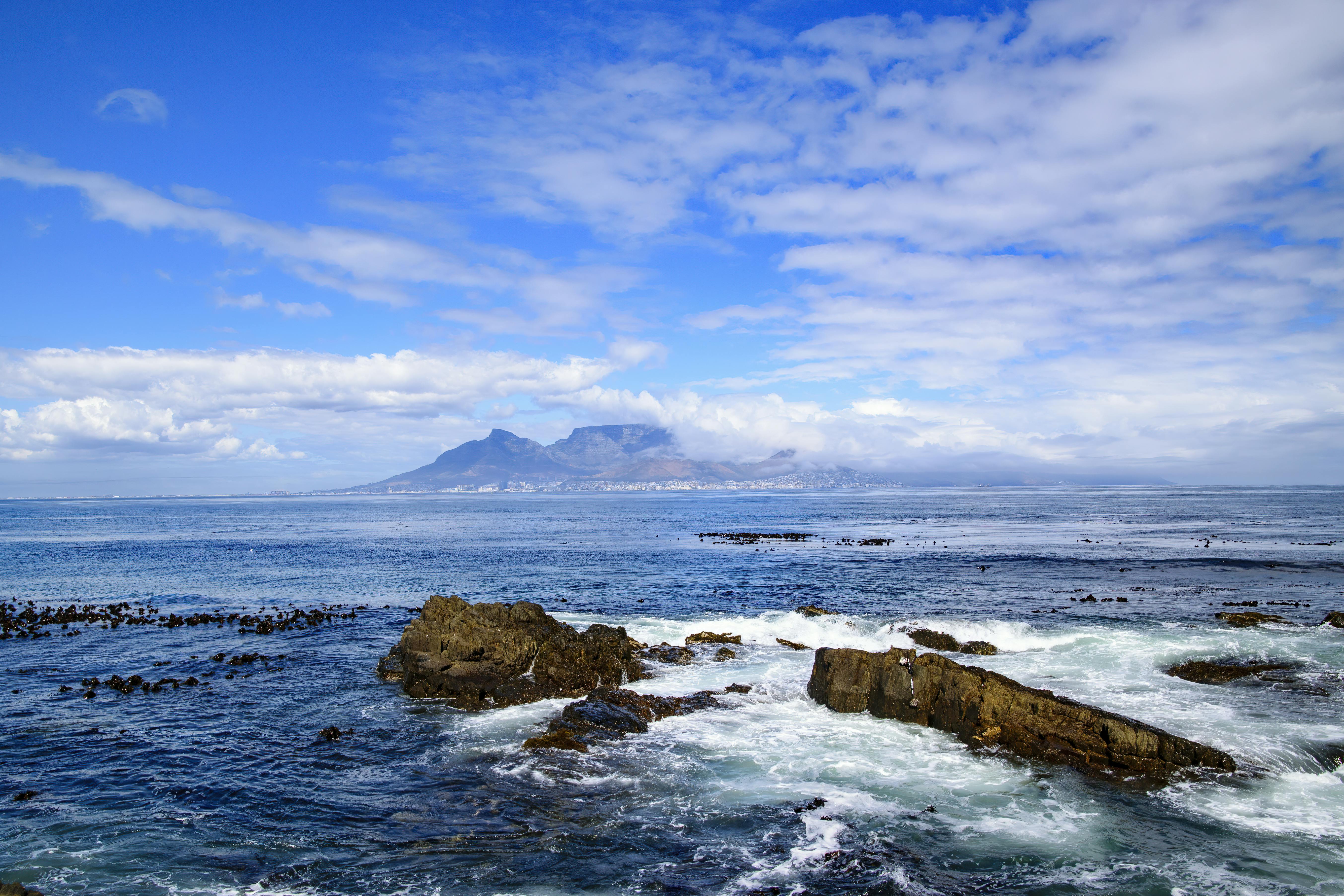
Accessible by ferry from Cape Town’s V&A Waterfront, the island offers guided tours led by former inmates and knowledgeable guides. These tours provide deep insights into the prison’s history, Nelson Mandela’s life, and the broader anti-apartheid movement. The ferry ride itself is an experience, offering stunning views of Table Mountain and the city skyline. Visitors should plan their trip in advance, as tours can fill up quickly, especially during peak seasons. The tour includes a visit to the limestone quarry, where prisoners worked under harsh conditions, and the historical prison buildings, which have been preserved to reflect the site’s past.
While on the island, visitors can also enjoy the natural scenery, including birdwatching and walking trails. The entire experience is both educational and inspiring, emphasizing themes of perseverance and reconciliation. For budget travelers, the ferry and guided tours are reasonably priced, and bringing a packed lunch can help keep costs low. Visiting Robben Island offers a profound understanding of South Africa’s history, making it a meaningful addition to any travel itinerary for those interested in the country’s struggle for freedom and justice.
Cape of Good Hope
The Cape of Good Hope is one of South Africa’s most iconic landmarks, renowned for its dramatic scenery and rich maritime history. Located at the southern tip of the Cape Peninsula, this rugged promontory offers breathtaking views of the Atlantic Ocean crashing against towering cliffs. Historically, it was considered the southernmost point of Africa, although the nearby Cape Agulhas holds that title. Today, it remains a symbol of exploration and adventure, drawing travelers eager to experience the wild beauty of the region.
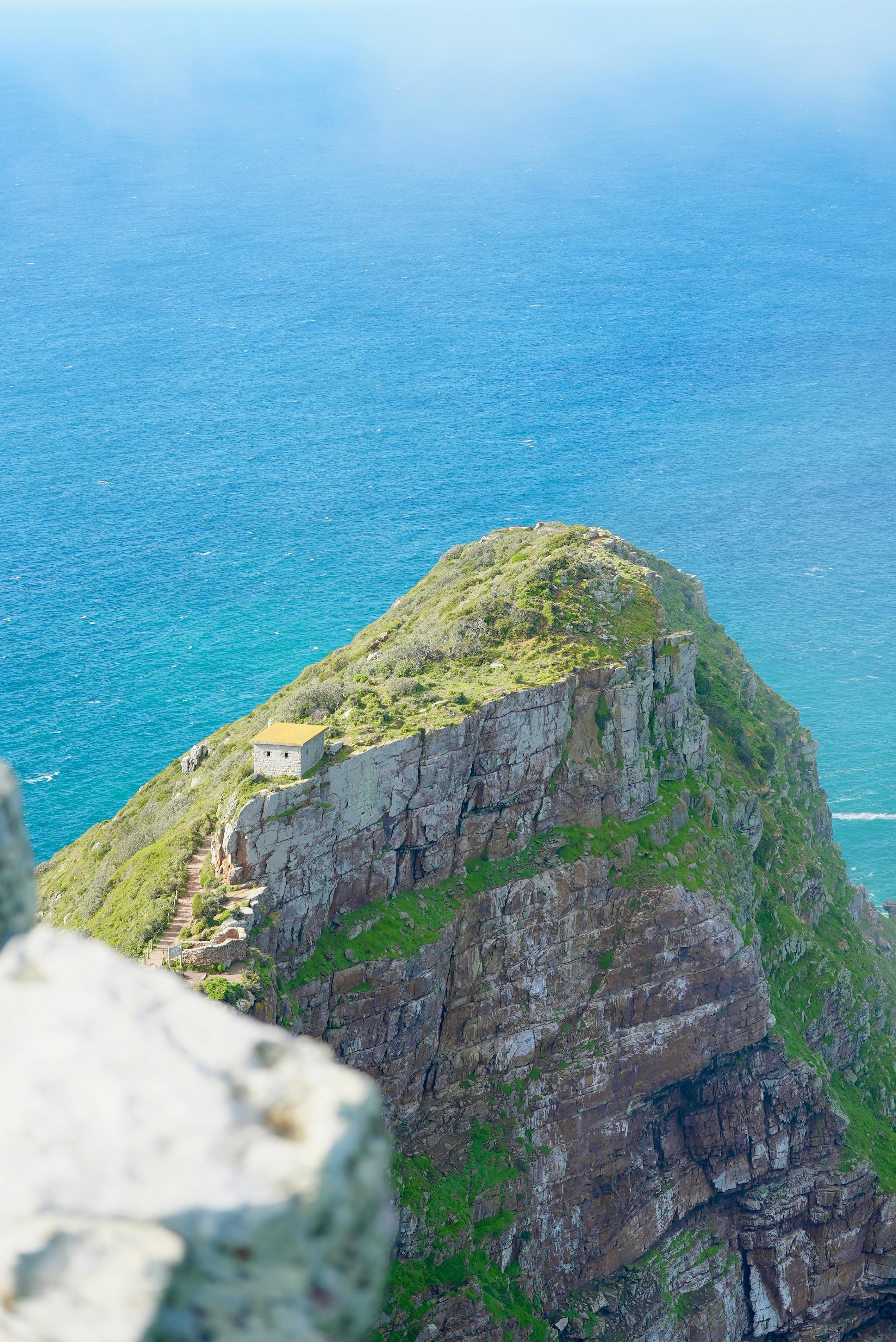
The Cape of Good Hope is part of the Table Mountain National Park, a protected area that spans diverse landscapes including fynbos-covered hills, rocky shores, and lush forests. Visitors can explore well-maintained walking trails that wind through the park, offering spectacular vantage points to observe the coastline and the ocean beyond. The area is also home to a variety of wildlife, including baboons, ostriches, and antelope, making it a fantastic destination for nature lovers and wildlife enthusiasts alike.
One of the main attractions here is the dramatic cliffs and panoramic views, which make for excellent photography and memorable experiences. The Cape Point funicular ride is a popular activity, taking visitors from the parking area up to the lighthouse at the tip of the peninsula, where sweeping views stretch across the ocean. The lighthouse itself is a historical structure, dating back to 1857, and offers insight into the maritime navigation history of the region.
Practical information for visitors includes affordable entrance fees, and the site is accessible via public transport or car rentals, making it an economical choice for budget travelers. Remember to wear sturdy shoes, bring water, and prepare for changeable weather, as the Cape can be windy and cool even on sunny days. Visiting the Cape of Good Hope provides an unforgettable combination of natural beauty, wildlife encounters, and a glimpse into the region’s storied past, all without breaking the bank.
Blyde River Canyon
Situated in the northern part of South Africa’s Mpumalanga province, the Blyde River Canyon is often regarded as one of the most spectacular canyons in the world. It is part of the Panorama Route and is renowned for its lush greenery, dramatic cliffs, and tranquil river scenery. Spanning approximately 26 kilometers, the canyon is carved by the Blyde River, which flows through a landscape dotted with waterfalls, rock formations, and indigenous flora. Its stunning vistas and accessible trails make it an ideal destination for travelers seeking natural beauty on a budget.
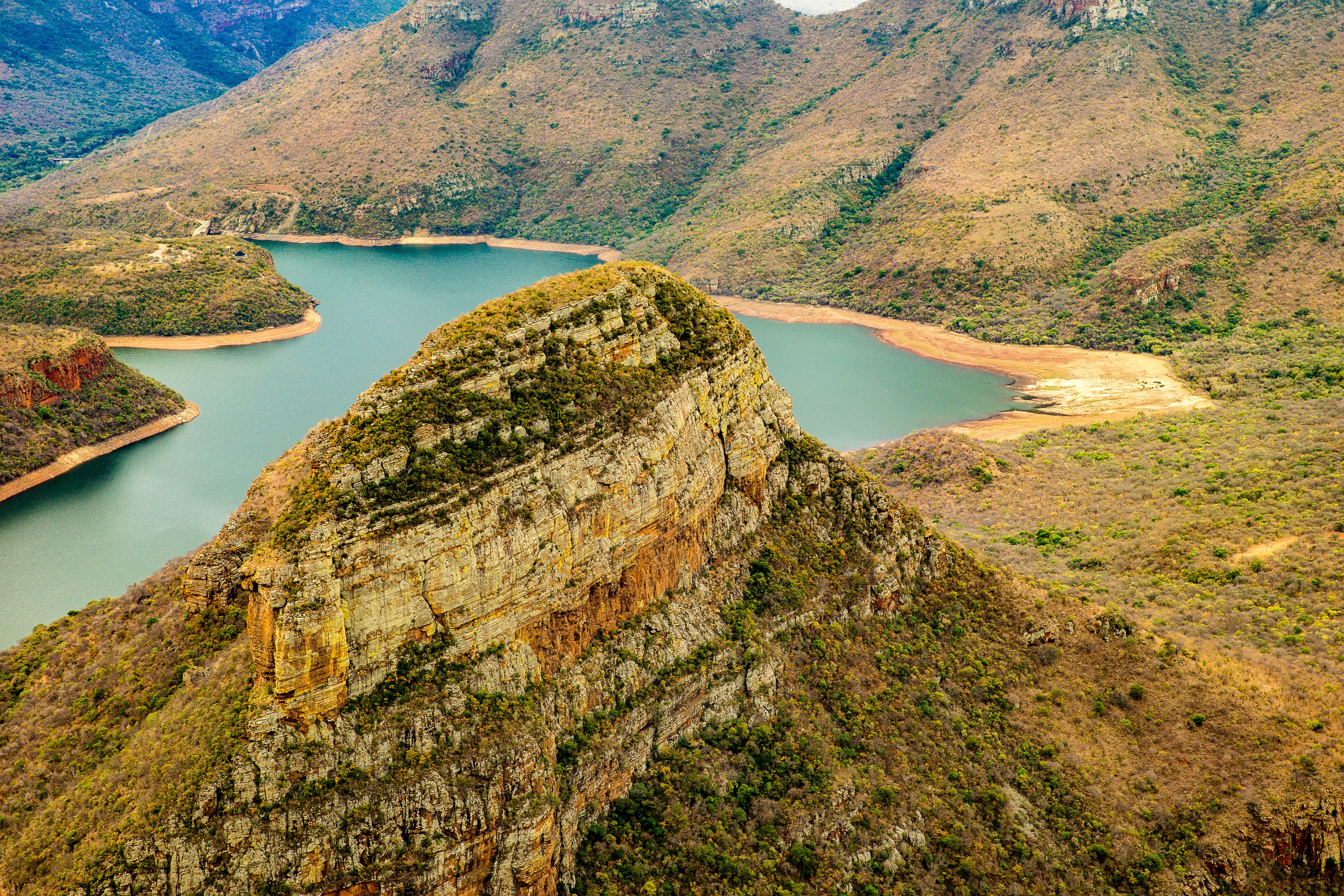
The canyon’s main features include the impressive Three Rondavels, which are three rounded peaks resembling traditional African huts, and the Lisbon Falls, one of the region’s most picturesque waterfalls. Visitors can enjoy scenic drives along the Panorama Route, stopping at viewpoints that offer sweeping views of the canyon and surrounding landscape. For those interested in hiking, there are numerous trails that lead to viewpoints, waterfalls, and hidden spots where you can immerse yourself in the tranquil environment without spending much.
Wildlife is abundant here, with opportunities to spot bushbuck, vervet monkeys, and various bird species, enriching the experience for nature enthusiasts. The area also offers affordable picnic spots and self-guided tours, making it accessible for travelers on a tight budget. For a more immersive experience, consider joining guided hikes or boat trips on the Blyde River, which are often reasonably priced and provide unique perspectives of the canyon’s natural wonders.
Practical advice includes arriving early to beat crowds and securing a rental car or using public transport to explore the area economically. The region’s mild climate and diverse scenery make it a perfect destination for outdoor activities, photography, and relaxation, all while keeping costs low. Visiting Blyde River Canyon allows travelers to connect deeply with South Africa’s stunning landscapes without overspending, offering a true feast for the senses and the soul.
Best Time to Visit South Africa
Understanding the Climate and Seasons
South Africa’s diverse climate varies across regions, making timing essential for an enjoyable trip. Generally, the country experiences warm, dry winters from May to August and hot, rainy summers from November to March. The best time to visit depends on your interests, whether it’s wildlife safaris, outdoor adventures, or cultural experiences.
Peak Tourist Seasons
The peak tourist season runs from June to August, coinciding with the South African winter. During this period, wildlife viewing is optimal because animals gather around water sources, and the weather is cooler and more comfortable for safaris. However, prices for accommodation and tours tend to rise, and popular sites can be crowded.
December to February is also busy, especially around the holiday season, when the country experiences warm weather and festive celebrations. This period is ideal for beach holidays and exploring coastal regions but can be more expensive and crowded.
Off-Peak Benefits
Traveling during the shoulder seasons—spring (September to November) and autumn (March to April)—offers a balance of good weather and fewer tourists. Prices are generally lower, and accommodations are more available, making it perfect for budget travelers. During these months, wildlife sightings are still excellent, and you can enjoy a more relaxed experience.
Additionally, visiting during the rainy season can be advantageous if you’re interested in lush landscapes and birdwatching, as migratory birds are more active, and the scenery is vibrant.
Practical Tips for Budget Travelers
- Book accommodations early during peak seasons to secure better rates.
- Consider visiting lesser-known regions during off-peak times for more affordable experiences.
- Travel during shoulder seasons to enjoy good weather with fewer crowds and lower costs.
Summary of Pros and Cons
| Timing | Pros | Cons |
|---|---|---|
| June to August (Winter) | Excellent wildlife viewing, cooler weather, fewer crowds | Higher prices, limited outdoor swimming, some attractions may be closed |
| December to February (Summer) | Warm beaches, festive atmosphere, lush landscapes | More expensive, crowded, some regions experience heavy rain |
| Spring & Autumn (Shoulder Seasons) | Good weather, fewer tourists, better prices | Wildlife may be less concentrated, some rain possible |
Ultimately, the best time to visit South Africa on a budget depends on your priorities—whether it’s wildlife, beaches, or cultural experiences. Planning ahead and choosing shoulder seasons can help you enjoy this vibrant continent without overspending.
Getting to South Africa: Your Guide to Affordable Travel
South Africa is a captivating destination known for its diverse landscapes, vibrant culture, and rich history. Traveling there on a budget is entirely achievable with careful planning and knowledge of your transportation options. Whether you’re flying in from afar or exploring within the country, understanding how to reach South Africa efficiently can make your journey smoother and more economical.
Flights to South Africa
Most international travelers arrive in South Africa via major airports such as OR Tambo International Airport in Johannesburg, Cape Town International Airport, or King Shaka International Airport in Durban. To find budget-friendly flights, consider booking well in advance, comparing prices across multiple airlines, and being flexible with your travel dates. Low-cost carriers occasionally offer deals, especially during off-peak seasons. Additionally, connecting flights through hubs in Europe, the Middle East, or Africa can sometimes reduce costs significantly.
Other Transportation Options
Once in South Africa, numerous affordable transportation options exist for traveling within and between cities. Buses are the most economical choice, with companies like Greyhound, Intercape, and Baz Bus offering extensive routes across the country. Trains, operated by Shosholoza Meyl, provide scenic journeys at reasonable prices, especially on longer routes such as Johannesburg to Cape Town. For shorter distances or more flexibility, shared minibus taxis are widely used by locals and travelers alike.
Travel Tips and Important Information
- Book flights early to secure the best deals, especially during peak travel seasons.
- Always check visa requirements beforehand; many travelers can obtain visas on arrival or online.
- Public transportation is generally safe and reliable in urban centers, but exercise caution late at night.
- Consider purchasing a South African Rail Pass if planning multiple train journeys.
- Keep essential travel documents, local currency, and a basic understanding of local transport routes.
For those seeking independence and flexibility, renting a car is an excellent option. South Africa’s roads are well-maintained, and driving allows you to explore remote areas affordably. Planning your route in advance and booking your vehicle online can save both time and money.
Traveling to South Africa on a budget requires strategic planning, but the experience is well worth the effort. With a mix of affordable flights, public transport, and car rentals, you can enjoy this stunning destination without overspending. Prepare wisely, and your adventure to Africa’s southern jewel will be unforgettable!
Best Places to Stay in South Africa: Budget, Mid-Range, and Luxury Options
South Africa offers a diverse range of accommodations suited for every traveler’s budget. Whether you seek opulence, comfort, or affordability, the country’s hospitality scene ensures memorable stays. Here, we explore top choices across different budget categories, highlighting options that provide exceptional value and unique experiences.
Luxury Stays in South Africa
For those who desire a lavish escape, South Africa’s luxury hotels combine world-class amenities with stunning settings. The One&Only Cape Town is a standout, nestled between Table Mountain and the V&A Waterfront. Guests enjoy spacious rooms, a renowned spa, and exquisite dining options. Its central location makes it perfect for exploring the city while indulging in unmatched comfort.
Another premier choice is the Singita Boulders Lodge in Kruger National Park. This exclusive safari lodge offers private villas, personalized service, and immersive wildlife experiences. It’s ideal for travelers seeking a blend of adventure and luxury, providing the ultimate African safari experience.
Mid-Range Accommodations
Mid-range options strike a balance between comfort, affordability, and authentic local experiences. The Protea Hotel by Marriott Cape Town Waterfront Breakwater Lodge offers modern amenities with a touch of history, located conveniently near major attractions. Guests appreciate its stylish rooms and friendly service, making it a great base for exploring Cape Town.
In Johannesburg, the The Reef Hotel provides a comfortable stay with spacious rooms, a pool, and easy access to the city’s vibrant neighborhoods. It’s an excellent choice for travelers who want quality without overspending, especially those interested in cultural and urban adventures.
Budget-Friendly Options
Travelers on a tight budget can still enjoy authentic South African hospitality. The The Backpackers Hostel in Cape Town is a popular choice, offering clean dorms, a lively social atmosphere, and helpful staff. Its central location makes it easy to explore the city’s beaches, markets, and landmarks without breaking the bank.
In Durban, the Happy Hippo Hostel provides affordable dorms and private rooms, along with communal spaces that foster social connections. It’s perfect for backpackers seeking budget-friendly accommodation with a friendly vibe and easy access to the city’s beaches and cultural sites.
In summary, South Africa’s accommodation options cater to every traveler’s needs. From luxurious lodges to budget hostels, each offers a chance to experience the country’s vibrant culture and stunning landscapes without overspending. Choosing the right stay depends on your interests and budget, but rest assured, memorable experiences await at every price point.
Essential Travel Products for Visiting South Africa
1. Universal Travel Adapter with USB Ports
One of the most crucial items for any international traveler is a reliable travel adapter, and the Universal Travel Adapter with USB Ports is particularly useful for visitors to South Africa. South Africa primarily uses Type M electrical outlets, which differ from many other countries. This adapter is designed to accommodate multiple plug types, including Type M, Type C, and Type G, making it versatile for travelers coming from various regions. Its built-in USB ports allow you to charge multiple devices simultaneously—smartphones, tablets, cameras, and power banks—without needing separate chargers. This feature is especially beneficial for budget travelers who want to minimize the number of gadgets they carry.
Constructed with durable, high-quality materials, this adapter ensures safety with built-in surge protection and compatibility with different voltage ranges (220-240V). Compact and lightweight, it easily fits into carry-on luggage or a backpack, making it ideal for day trips or safaris. You can purchase this adapter from online retailers such as Amazon or local electronics stores, often at a reasonable price point, ensuring you stay connected without hassle during your trip.
2. Portable Water Purification System
Traveling through South Africa often involves exploring remote areas or national parks where access to safe drinking water may be limited. A portable water purification system, such as the LifeStraw or Sawyer Mini, is an invaluable tool for budget-conscious travelers. These compact devices allow you to drink directly from natural water sources—rivers, streams, or lakes—by removing bacteria, parasites, and other contaminants.
The LifeStraw, for example, is lightweight, easy to use, and requires no batteries or chemicals. It filters up to 1,000 liters of water, making it a cost-effective solution for extended safaris or outdoor adventures. The Sawyer Mini offers similar features with a slightly different design and can be attached to bottles or used as a squeeze filter. Having a portable water purifier not only saves money on bottled water but also reduces plastic waste, aligning with eco-conscious travel principles. You can find these products online through outdoor gear retailers or Amazon, often at affordable prices, making them perfect for travelers on a budget seeking independence and safety in the wild.
Discover travel essentials available on Amazon
Guidebooks for Budget Travel in South Africa
Best Budget Getaways Travel Guide South Africa on Kindle Unlimited and Audible
For travelers aiming to explore South Africa without breaking the bank, a well-chosen guidebook can be an invaluable resource. Several budget-friendly options are available on Kindle Unlimited and Audible, providing both digital convenience and engaging narration to enhance your travel experience.
1. South Africa on a Shoestring by Lonely Planet
This guidebook offers practical advice for exploring South Africa without overspending. It highlights affordable accommodations, budget-friendly restaurants, and free or inexpensive activities across major cities and national parks. The book also includes tips on transportation options, local markets, and cultural experiences that won’t strain your wallet. Its detailed maps and itineraries make it easy for budget travelers to plan efficient trips, ensuring they get the most out of their visit while staying within budget. Available on Kindle Unlimited, it’s perfect for those who prefer reading on their devices or listening via Audible during long journeys.
2. Africa on a Budget: South Africa Edition
This audiobook provides an engaging narrative filled with insider tips on how to experience South Africa authentically and affordably. It emphasizes budget safaris, affordable local eateries, and tips for negotiating prices in markets. The author shares personal stories and practical advice, making it an inspiring companion for those traveling on a limited budget. The audiobook format allows you to absorb the information during transit or outdoor activities, helping you plan your trip without additional costs for guidebooks. It’s available on Audible and is ideal for travelers who prefer listening while exploring.
3. Backpacker’s Guide to South Africa by Bradt Travel Guides
This comprehensive guide caters specifically to backpackers and budget travelers. It covers everything from hostels and camping sites to free attractions and budget transport options. The book also features tips on safety, cultural etiquette, and local festivals, enriching your experience without extra expense. Its detailed itineraries and practical advice help travelers maximize their time and money, ensuring a memorable yet affordable adventure. Available on Kindle Unlimited, it’s a perfect resource for those seeking a flexible, budget-conscious journey through South Africa.
By combining these insightful guidebooks with essential travel products, budget travelers can confidently explore South Africa’s diverse landscapes, vibrant cultures, and incredible wildlife—all while maintaining financial flexibility. Planning ahead with the right tools and resources ensures you make the most of your adventure without overspending, truly experiencing Africa on a budget.
Long flights or road trips? Pass the time with Audible’s travel books – free for 30 days!
Frequently Asked Questions About Budget Travel in South Africa
1. Is South Africa a budget-friendly destination for travelers?
Absolutely! South Africa offers a diverse range of affordable options for budget travelers. From economical guesthouses and hostels to street food markets, you can experience the country’s rich culture without overspending. Public transportation, such as minibus taxis and trains, is inexpensive and widely available, making it easier to explore without costly taxis or car rentals. Additionally, many national parks and attractions offer entrance fees that are quite reasonable, especially if you plan ahead and buy combined or off-peak tickets. Traveling during the shoulder seasons—spring and autumn—can also help you save on accommodation and tours, as prices tend to drop when tourist numbers are lower.
2. What are the best budget accommodations in South Africa?
South Africa boasts a variety of budget-friendly lodgings, including:
- Hostels with dormitory-style rooms and communal spaces for socializing
- Guesthouses offering private rooms at affordable rates
- Campsites in national parks and private reserves for an immersive experience
- Affordable Airbnb options in major cities and tourist hotspots
Always check reviews and ratings before booking to ensure safety and cleanliness. Many hostels also organize free or inexpensive tours, which can enrich your experience without additional costs.
3. How can I save money on food and dining?
Eating like a local is one of the best ways to keep costs down. South Africa’s vibrant street food scene offers delicious options such as:
- Bunny chow (a bread bowl filled with curry)
- Boerewors rolls (South African sausage sandwiches)
- Skewered meats from street vendors
Supermarkets like Pick n Pay and Woolworths offer fresh produce, snacks, and ready-to-eat meals at low prices. Visiting local markets not only saves money but also provides an authentic cultural experience. Cooking your own meals when possible can further reduce expenses.
4. What are some free or low-cost activities to enjoy in South Africa?
There is no shortage of budget-friendly activities, such as:
- Exploring beaches along the Garden Route or Durban
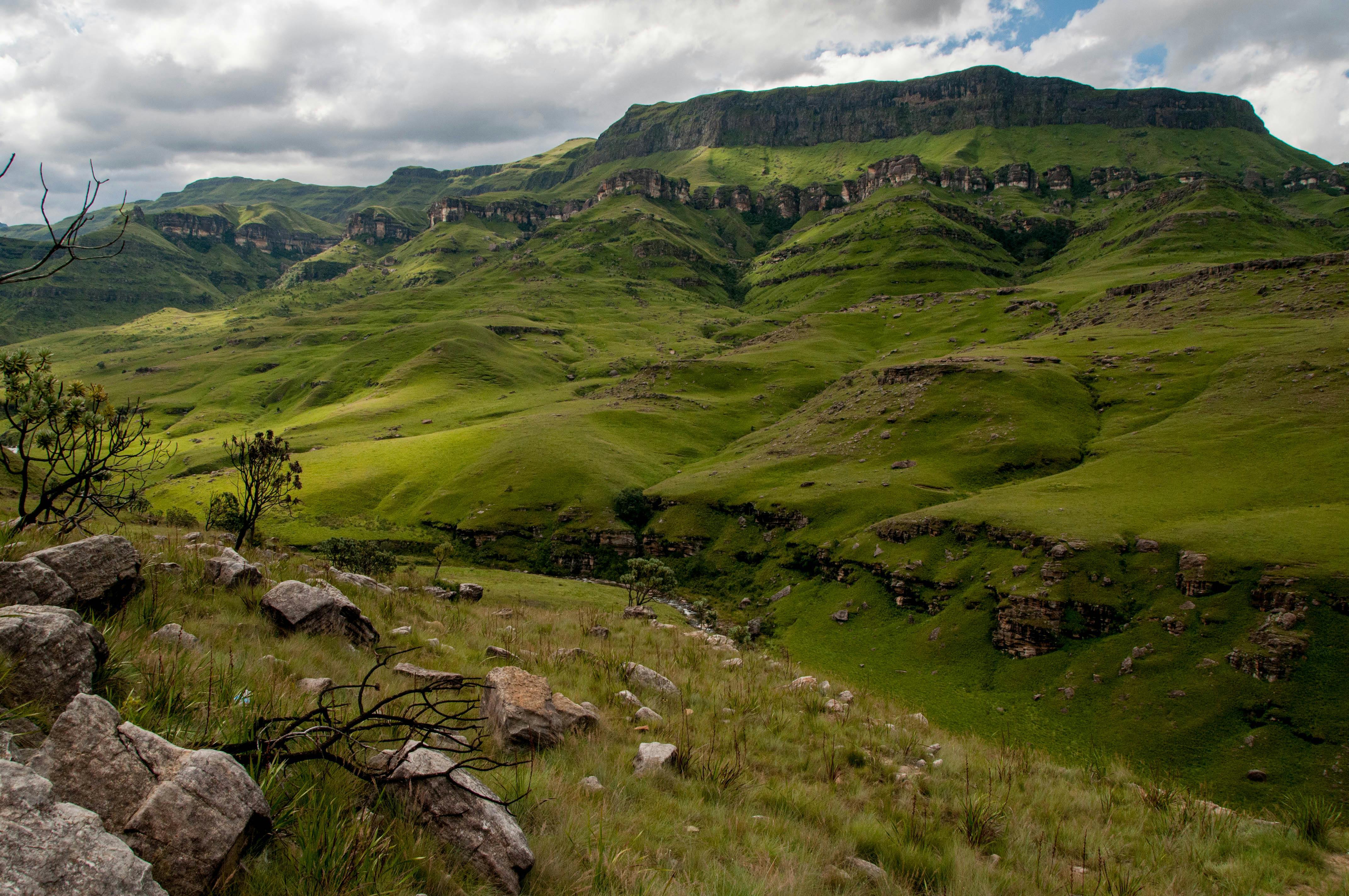
- Hiking in national parks like Table Mountain or Drakensberg
- Walking tours of historic neighborhoods and markets
- Visiting free-entry museums and cultural centers
- Participating in community festivals and events
Many parks and natural attractions charge minimal entrance fees, making outdoor adventures both fun and affordable.
5. How can I travel between cities on a budget?
South Africa’s bus and minibus taxi networks are economical ways to move around. Companies like Greyhound and Intercape offer affordable long-distance bus services connecting major cities. Alternatively, shared minibus taxis are common for short trips, often costing just a few rand. If you prefer flexibility, renting a car for a day can be cost-effective when split among travel companions. Booking transportation tickets in advance often secures better rates, especially during peak travel seasons.
6. Are safety and health concerns manageable for budget travelers?
While South Africa is generally safe for travelers, it’s essential to stay vigilant. Stick to well-populated areas, avoid displaying valuables, and use reputable transport options. For health, ensure your vaccinations are up-to-date, and carry basic medications. Drinking bottled water and eating at reputable establishments can prevent health issues. Many budget accommodations provide secure storage for valuables, giving you peace of mind while exploring.
7. What is the best time to visit South Africa on a budget?
The shoulder seasons—spring (September to November) and autumn (March to May)—offer the best combination of good weather and lower prices. During these times, you’ll find fewer tourists, which means better deals on accommodation and tours. Additionally, visiting national parks during the off-peak times can make safaris more affordable, especially if you book group tours or last-minute deals.
Why overpay? Cashback on luggage, accessories & more!
Discover the Magic of South Africa on a Budget
Exploring South Africa doesn’t have to break the bank. From vibrant cities to breathtaking natural landscapes, this travel guide highlights the best affordable getaways that promise unforgettable experiences without overspending. Whether you’re drawn to the bustling streets of Johannesburg, the scenic beauty of the Garden Route, or the cultural richness of Durban, there are budget-friendly options for every traveler. The key is to focus on local experiences, affordable accommodations, and cost-effective activities that showcase the country’s diverse charm.
Key Highlights from the Guide
- Affordable Accommodation: Guesthouses, hostels, and Airbnb options offer comfort at a fraction of hotel prices.
- Budget Activities: Enjoy free or low-cost safaris, hiking trails, and cultural tours that immerse you in authentic South African life.
- Local Cuisine: Savor delicious, inexpensive meals at street vendors and local markets, experiencing true South African flavors.
- Transportation Tips: Use public transport, car rentals, or shared rides to explore efficiently and economically.
Start Your Adventure Today
South Africa offers an incredible array of experiences that won’t strain your budget. From safaris in national parks to exploring vibrant urban centers, the country beckons adventurous travelers eager to discover Africa’s beauty without overspending. So, why wait? Begin planning your budget-friendly South African escape now. Dive into local culture, embrace stunning landscapes, and create memories that will last a lifetime—all while keeping your expenses in check.
Remember, the true essence of travel lies in authentic experiences and meaningful connections. Let this guide be your first step toward exploring Africa on a budget. Pack your bags, embrace the adventure, and unlock the magic of South Africa today!
Are you entitled to compensation for a delayed flight?