Discover the Magic of Morocco on a Budget: Your Ultimate Travel Guide
Best Budget Getaways Travel Guide Morocco
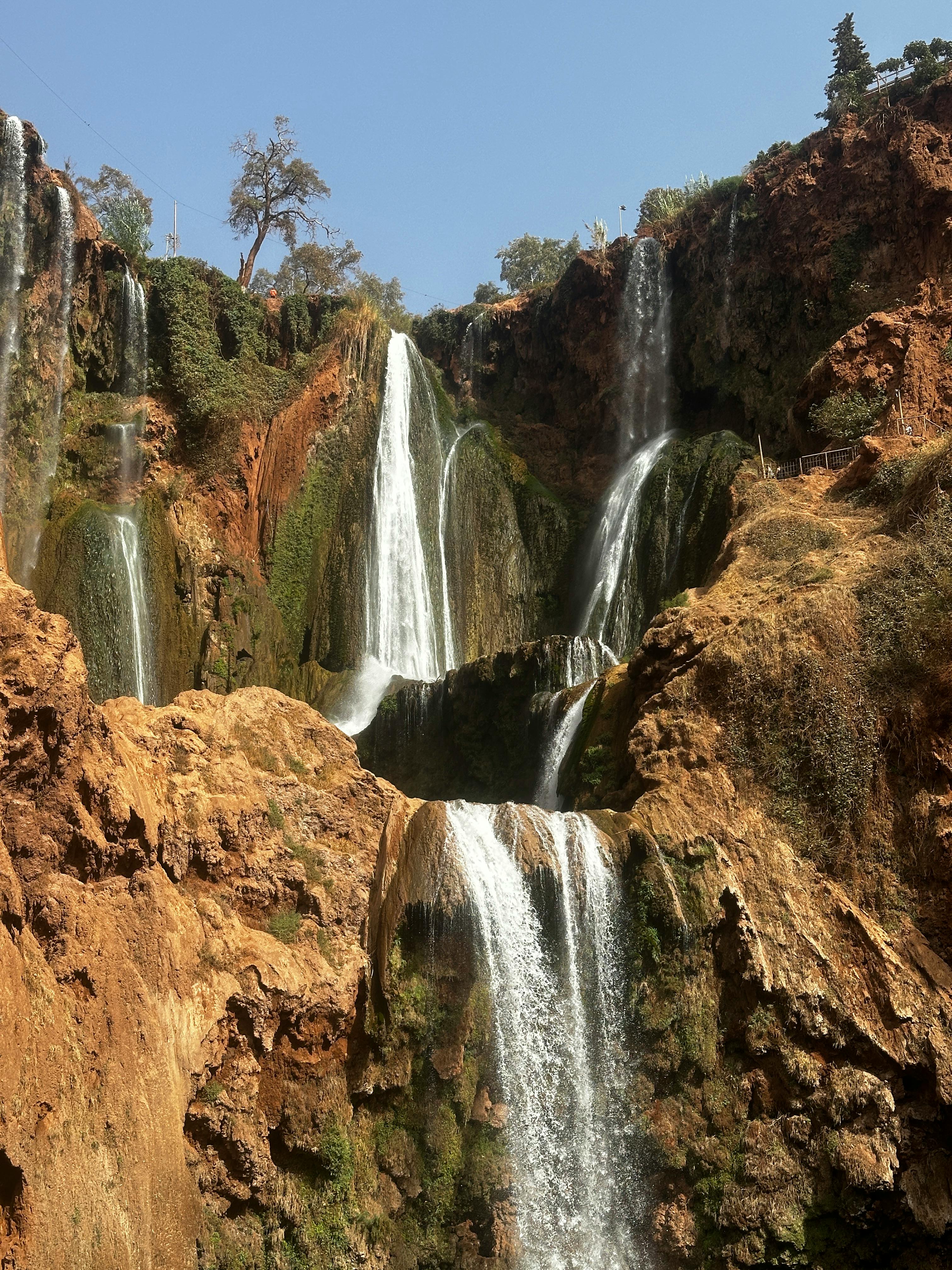
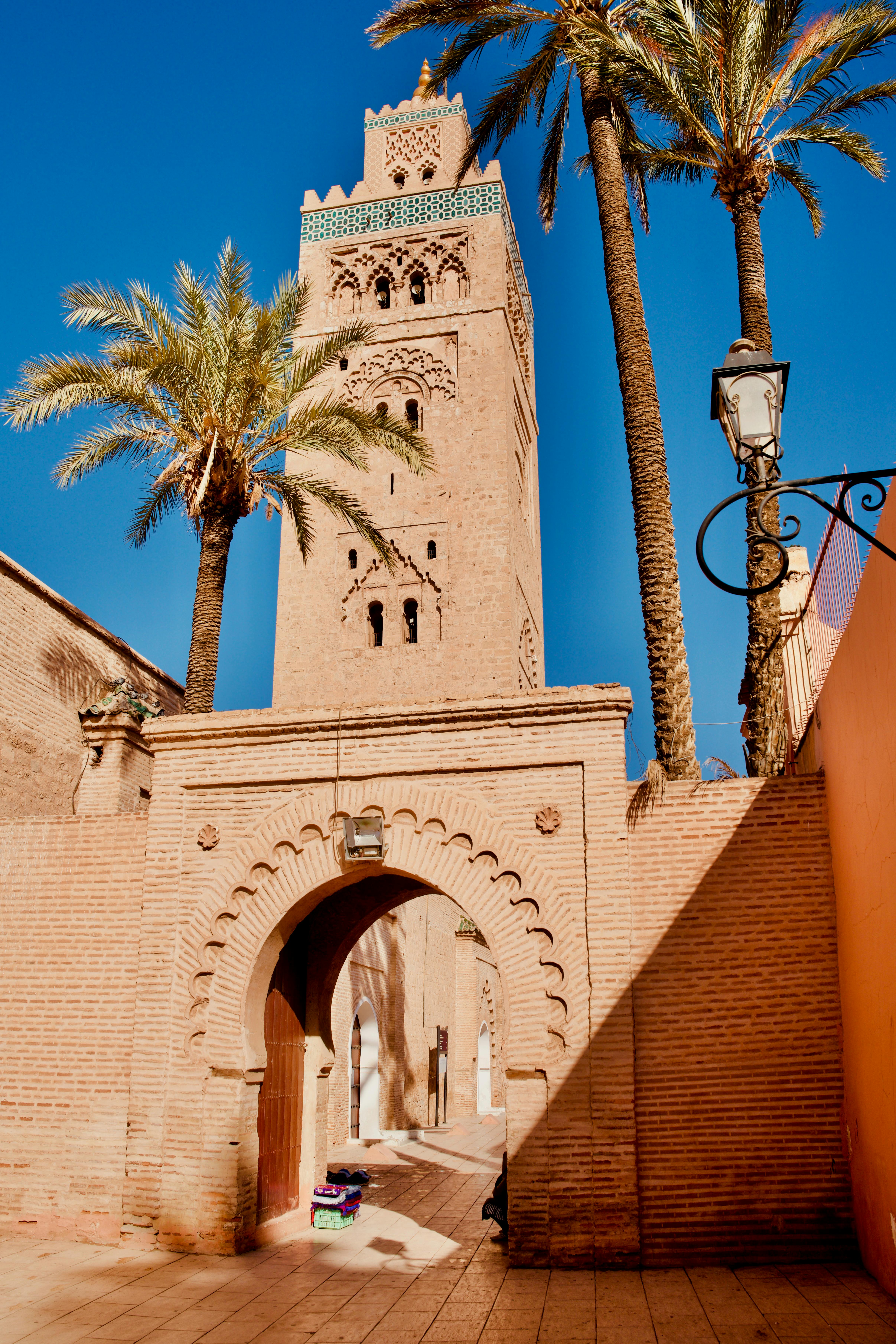
Nestled at the crossroads of Africa and the Middle East, Morocco offers an enchanting blend of vibrant culture, historic charm, and breathtaking landscapes—all accessible to travelers on a budget. From bustling souks and ancient medinas to serene deserts and rugged mountains, this North African gem promises an adventure that’s both affordable and unforgettable. Its rich history, diverse geography, and warm hospitality make Morocco a standout destination for those seeking an authentic experience without overspending.
In this comprehensive guide, you will discover how to explore Morocco’s highlights while keeping costs low. We’ll share insider tips on budget-friendly accommodations, affordable local cuisine, and economical transportation options. Whether you’re dreaming of wandering through labyrinthine markets or marveling at stunning desert vistas, this article will equip you with everything you need to make the most of your Moroccan adventure—without breaking the bank. Get ready to uncover the secrets of Africa on a budget and create memories that will last a lifetime.
Prime = free movies + fast shipping – perfect for travelers!
Hassan II Mosque
The Hassan II Mosque, located in Casablanca, Morocco, stands as one of the most impressive and awe-inspiring religious landmarks in Africa. Sitting majestically on the Atlantic coast, this mosque is not only a place of worship but also a symbol of Morocco’s rich cultural heritage and architectural ingenuity. Open to visitors outside prayer times, it offers a rare opportunity for travelers to explore a grand religious site without the need to participate in religious ceremonies.
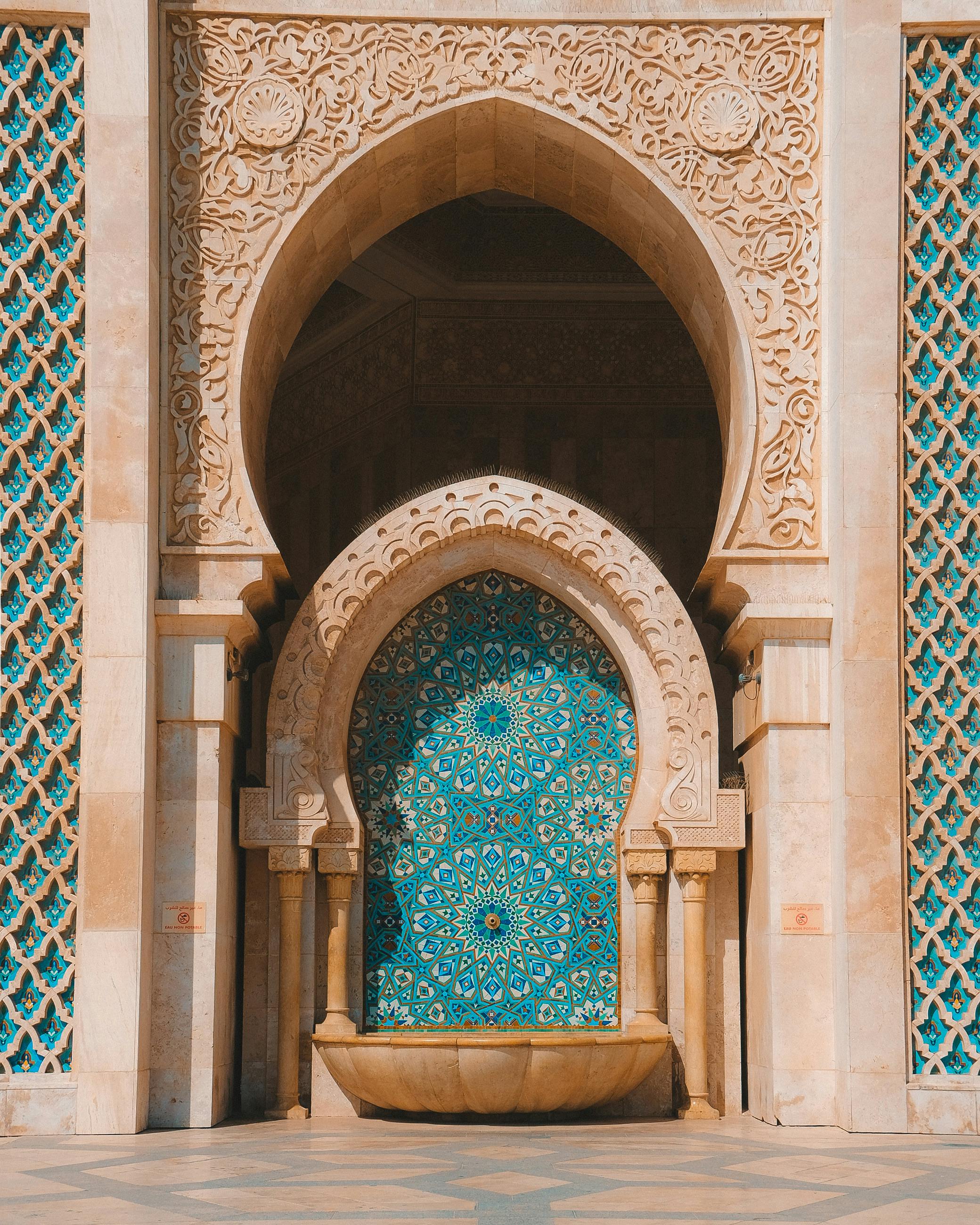
The mosque’s main prayer hall can accommodate up to 25,000 worshippers, with an additional 80,000 in the surrounding courtyards. Its most striking feature is the towering minaret, which reaches 210 meters, making it the tallest in the world. The minaret is adorned with intricate tile work and laser lights that shine across the city at night. The structure itself is a marvel of modern craftsmanship combined with traditional Moroccan artistry, featuring carved marble, cedar wood, and stunning mosaics. Visitors are often captivated by the expansive courtyard, which is paved with marble and decorated with beautiful fountains and lush gardens.
One reason the Hassan II Mosque is worth visiting is its accessibility to tourists. Guided tours are available, providing insights into Islamic architecture, Moroccan history, and the mosque’s significance. The interior is equally breathtaking, with a massive, ornate mihrab, a stunning chandelier, and detailed tile work that showcases Moroccan craftsmanship at its finest. The mosque’s location on the Atlantic coast offers spectacular views, especially at sunset, making it a perfect spot for photography and reflection.
Practical information for visitors includes modest dress code requirements, with women advised to wear a headscarf and modest clothing. Entry is typically free, but guided tours may have a small fee. It’s best to visit during the daytime to fully appreciate the intricate details and to avoid the prayer times when access may be restricted. Visiting the Hassan II Mosque provides an enriching experience, blending spirituality, history, and architecture—all on a budget for those who plan ahead and join guided tours.
Jardin Majorelle
Hidden within the bustling city of Marrakech, Jardin Majorelle is a tranquil oasis that captivates visitors with its vibrant colors and lush plant life. Created by French painter Jacques Majorelle in the 1920s and later restored by fashion designer Yves Saint Laurent, this botanical garden offers a peaceful escape from the city’s chaos. Its unique blend of art, nature, and history makes it a must-visit attraction for travelers seeking inspiration and serenity.
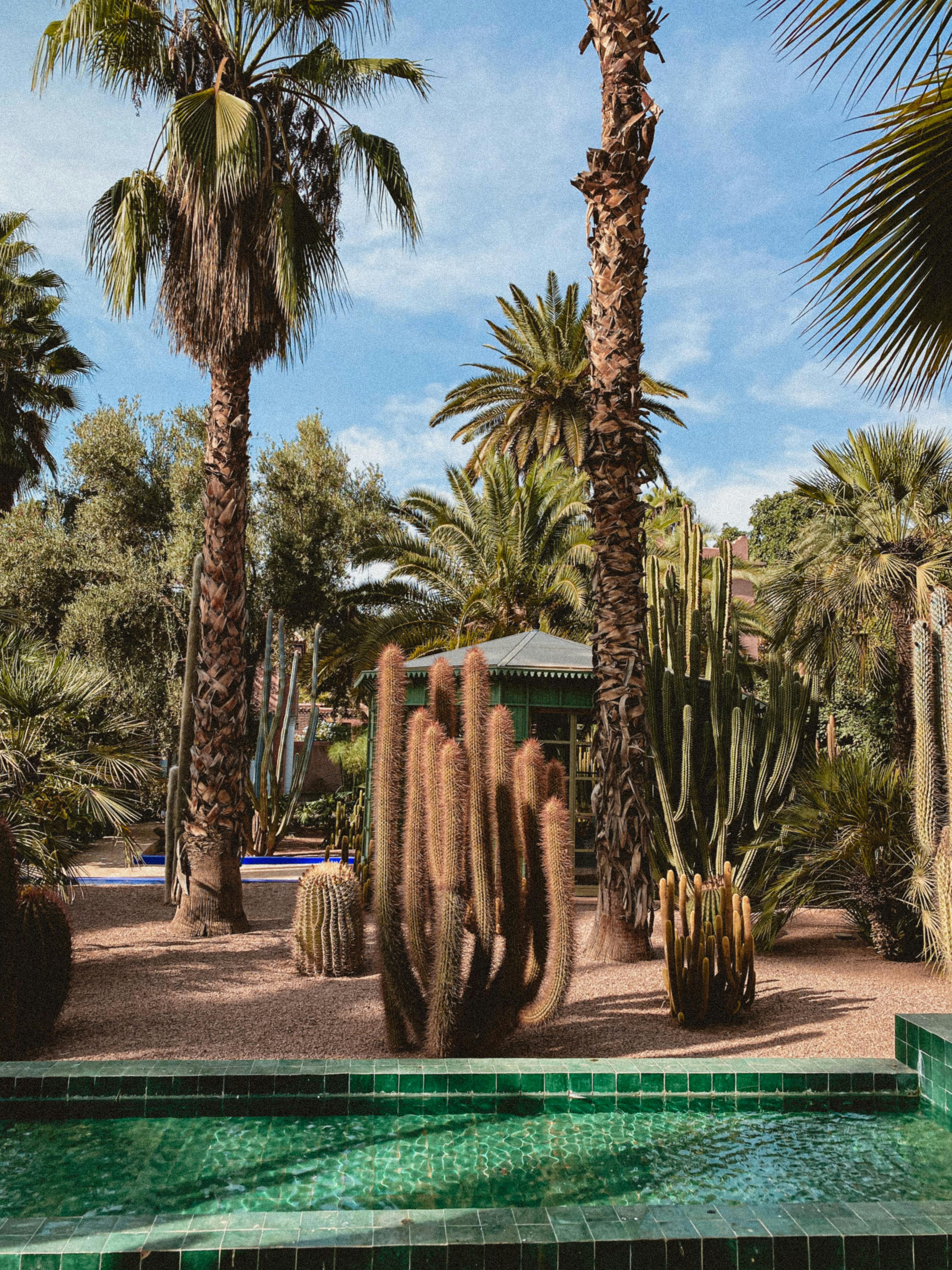
The garden spans approximately two and a half acres, featuring exotic plants from around the world, including cacti, palms, and bougainvillea. The most striking element is the vibrant blue color of the villa and the pathways, known as Yves Saint Laurent Blue, which creates a stunning contrast against the greenery. The site also houses the Berber Museum, which showcases traditional Moroccan art and artifacts, adding cultural depth to the visit.
What makes Jardin Majorelle particularly appealing is its artistic ambiance. The garden’s design integrates water features, winding paths, and shaded alcoves, encouraging visitors to relax and reflect. It’s especially photogenic, with countless opportunities for capturing colorful scenes and tranquil moments. The entrance fee is modest, making it an affordable cultural experience for budget travelers. To maximize your visit, arrive early in the morning or late in the afternoon to avoid crowds and enjoy the garden’s peaceful atmosphere.
Practical tips include wearing comfortable shoes for walking and bringing water, especially during warmer months. The garden is wheelchair accessible, and guided audio tours are available for those interested in learning more about its history and flora. A visit to Jardin Majorelle is a delightful blend of art, nature, and Moroccan history, offering a budget-friendly yet enriching experience that leaves a lasting impression.
Chefchaouen Old City
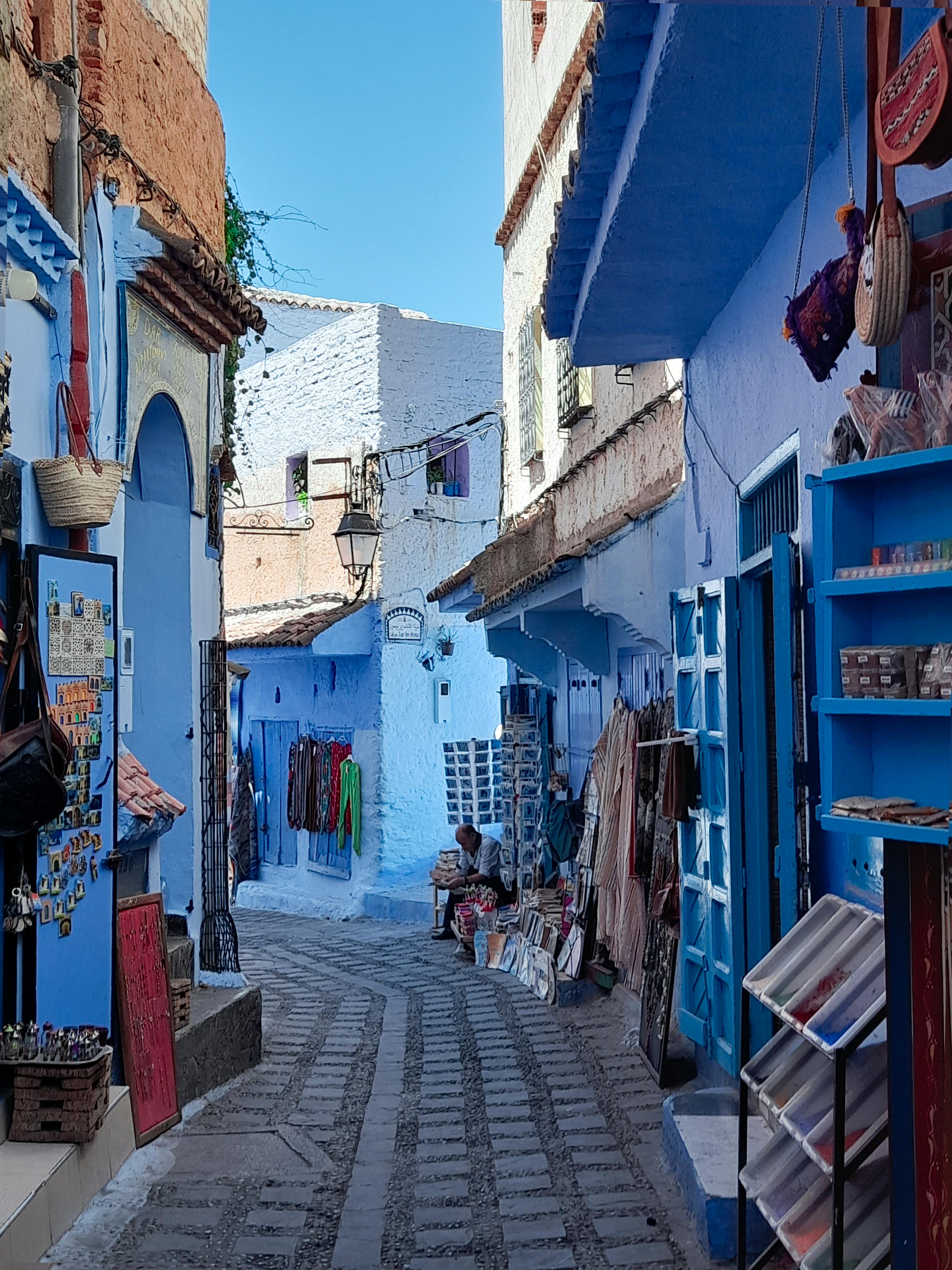
Perched in the Rif Mountains, Chefchaouen’s Old City is a charming labyrinth of narrow alleys, vibrant blue-washed buildings, and lively markets. Known as the “Blue Pearl of Morocco,” this town offers a unique blend of cultural authenticity and breathtaking scenery. Its relaxed atmosphere and colorful streets make it an ideal destination for travelers seeking a budget-friendly adventure off the beaten path.
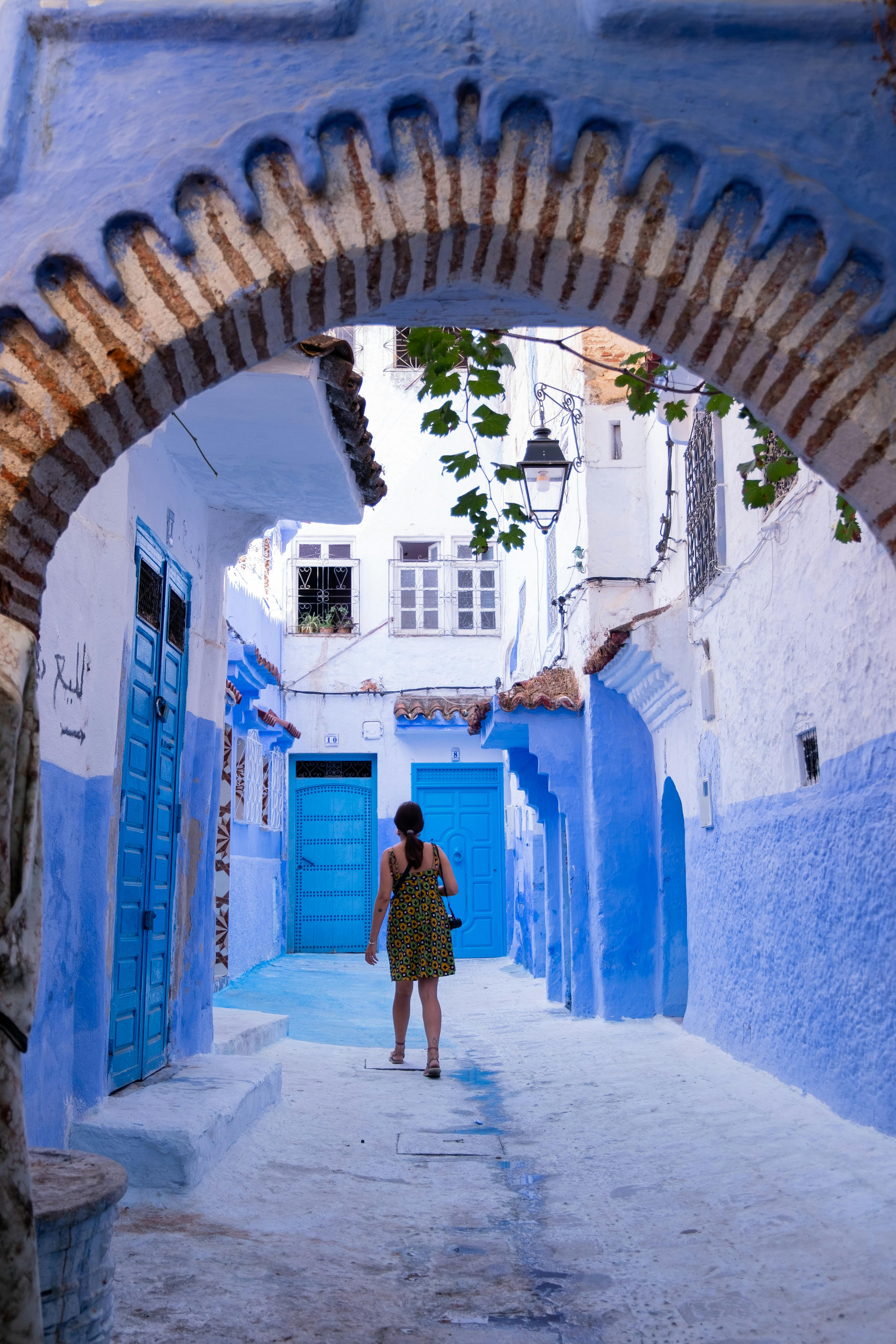
The heart of Chefchaouen is its medina, where every corner reveals a new splash of blue, from doorways to rooftops. Wandering through its winding streets, visitors encounter bustling souks selling local handicrafts, fragrant spices, and traditional Moroccan textiles. The town’s architecture features Andalusian influences, with whitewashed walls, ornate doorways, and charming plazas. Notable sites include the Kasbah Museum, which offers insights into local history, and the Spanish Mosque, perched on a hill with panoramic views of the town.
What sets Chefchaouen apart is its peaceful ambiance and stunning vistas. The town’s affordability makes it accessible for travelers on a budget, with numerous guesthouses, hostels, and street food options available. The surrounding Rif Mountains offer excellent hiking opportunities, with trails leading to waterfalls and scenic overlooks. Visiting during the shoulder seasons—spring and fall—can help avoid crowds and enjoy more affordable accommodation rates.
Practical advice for visitors includes carrying cash, as many small shops and eateries do not accept cards. Wear comfortable shoes for exploring the uneven streets, and bring a camera to capture the town’s vibrant hues and mountain scenery. A trip to Chefchaouen’s Old City provides an authentic Moroccan experience, combining natural beauty, cultural richness, and budget-friendly exploration, making it an unforgettable destination for those seeking a distinctive slice of Africa on a budget.
Aït Benhaddou
Introduction and Location
Aït Benhaddou is a striking ksar (fortified village) nestled along the ancient caravan route between the Sahara Desert and Marrakech. Situated in the foothills of the Atlas Mountains in southeastern Morocco, this UNESCO World Heritage site offers a captivating glimpse into traditional Moroccan architecture and history. The village is built from earthen clay, giving it a warm, reddish hue that blends seamlessly with the surrounding landscape. Visitors often find Aït Benhaddou to be one of Morocco’s most photogenic sites, offering a perfect blend of history, culture, and stunning scenery.

Main Features and Architectural Significance
The village is characterized by its high defensive walls, narrow winding alleys, and traditional kasbahs (fortresses). The structures are primarily built from mud bricks, reinforced with wooden beams, which have withstood centuries of weather and time. The most iconic feature is the series of terraced rooftops that provide panoramic views of the surrounding landscape. Visitors can explore the narrow streets, peek into ancient dwellings, and admire the intricate craftsmanship of the adobe architecture. The site also includes several small mosques, granaries, and a central square that once served as a bustling hub for traders and travelers.
Why Visit Aït Benhaddou
This site is a must-see for travelers seeking an authentic experience on a budget. Its cinematic fame, having appeared in movies like Gladiator and Game of Thrones, adds an extra layer of allure. Visiting Aït Benhaddou offers a unique opportunity to step back in time and witness traditional Moroccan life preserved in a remarkably well-maintained setting. The village’s compact size makes it easy to explore on foot, and entrance fees are affordable, making it accessible for budget-conscious travelers.
Practical Tips for Visitors
- Plan to spend around 1-2 hours exploring the site.
- Bring comfortable walking shoes, as the terrain can be uneven.
- Visit early morning or late afternoon for the best lighting and fewer crowds.
- Entry fees are modest, and guided tours are available for a small additional cost.
- Consider bringing a camera to capture the stunning views and intricate details.
Nearby, there are small local cafes and shops where you can buy traditional crafts and souvenirs. For travelers on a budget, staying in nearby towns such as Ouarzazate can reduce costs while still providing access to this incredible site. Visiting Aït Benhaddou is not only a visual feast but also an enriching cultural experience that highlights Morocco’s rich history and architectural ingenuity.
Djemaa el-Fna
Introduction and Location
Djemaa el-Fna is the vibrant heart of Marrakech, located in the city’s medina (old town). This bustling square is renowned worldwide for its lively atmosphere, diverse entertainment, and authentic Moroccan culture. As the central hub of Marrakech’s social life, Djemaa el-Fna transforms from a marketplace during the day into a dynamic spectacle of performers, storytellers, and food vendors as night falls. It embodies the spirit of Morocco, offering an immersive experience that is both affordable and unforgettable for travelers on a budget.

Main Features and Attractions
The square is a sensory overload, with sights, sounds, and smells that captivate visitors. During the day, it’s a lively marketplace filled with stalls selling spices, textiles, jewelry, and traditional crafts. As evening approaches, the square comes alive with street performers, snake charmers, musicians, and storytellers, creating a captivating spectacle that has been part of Marrakech’s culture for centuries. Food stalls offering Moroccan delicacies such as tagines, kebabs, fresh orange juice, and sweet pastries are abundant, making it a perfect place to sample local flavors without overspending.
Why Visit Djemaa el-Fna
This square is a quintessential Moroccan experience, especially for travelers seeking cultural immersion on a budget. Its affordability is evident in the variety of free street performances and inexpensive food options. Visiting Djemaa el-Fna offers a chance to witness Morocco’s rich traditions, vibrant community life, and artistic expressions firsthand. The square’s lively atmosphere makes it an ideal spot for socializing, people-watching, and capturing memorable photographs. It’s also conveniently located near other attractions, making it easy to include in your Marrakech itinerary without extra costs.
Practical Tips for Visitors
- Visit during the late afternoon to experience the transition from day to night.
- Haggle politely at market stalls for souvenirs and crafts.
- Sample street food at reputable stalls for authentic and affordable meals.
- Be mindful of your belongings in the crowded areas.
- Consider joining a guided tour to learn about the history and significance of the square.
For budget travelers, Djemaa el-Fna provides endless entertainment without the need for expensive tickets. Its lively ambiance, cultural richness, and accessibility make it a highlight of any trip to Morocco, offering an authentic taste of Marrakech’s vibrant soul.
When Is the Best Time to Visit Morocco?
Understanding the Climate and Seasons
Morocco’s diverse geography results in a varied climate, making timing crucial for an enjoyable trip. The best times to visit are during spring (March to May) and fall (September to November). During these months, temperatures are mild and comfortable, ideal for exploring cities, deserts, and mountains. Summers (June to August) can be extremely hot, especially in inland areas like Marrakech and the Sahara, with temperatures soaring above 40°C (104°F). Conversely, winters (December to February) bring cooler weather, particularly in the mountains, where snow is common, making it perfect for winter sports but less suitable for beach lounging.
Peak Tourist Seasons and Crowds
Peak tourist seasons typically align with spring and fall, when weather conditions are most pleasant. During these months, popular sites like Fes, Marrakech, and Chefchaouen see increased visitors, and prices for accommodations tend to rise. If you prefer avoiding crowds and seeking budget-friendly options, traveling during the shoulder seasons—early spring or late fall—can be advantageous. These periods offer a quieter experience, with lower prices and more authentic interactions with locals.
Benefits of Visiting During Off-Peak Periods
- Lower accommodation and tour costs
- Fewer tourists at major attractions, leading to a more intimate experience
- Better opportunities for spontaneous adventures and cultural immersion
- More flexible booking options and less competition for guided tours
Practical Tips for Budget Travelers
If you aim to explore Morocco on a budget, consider visiting during the shoulder seasons or even winter. While some mountain regions may be cold, many cities and coastal areas remain mild and affordable. Additionally, traveling outside peak times allows you to experience local life more authentically, often at a fraction of the usual cost.
Summary of Timing Pros and Cons
| Timing | Pros | Cons |
|---|---|---|
| Spring (March-May) | Ideal weather, blooming landscapes, lively festivals | Higher prices, crowds at popular sites |
| Fall (September-November) | Comfortable temperatures, vibrant markets, fewer tourists | Occasional rain, especially in the north |
| Summer (June-August) | Beach season, desert adventures possible early mornings or late evenings | Extreme heat, higher costs, crowded tourist spots |
| Winter (December-February) | Cool, crisp air, mountain skiing, fewer crowds | Cold in mountains, limited beach activities |
Choosing the right time depends on your priorities—whether avoiding crowds, enjoying pleasant weather, or sticking to a budget. For an authentic experience, visiting during shoulder seasons often provides the best balance of good weather and fewer tourists, making your journey both memorable and economical.
Getting to Morocco: Your Guide to Affordable Travel
Morocco is a captivating destination known for its vibrant culture, historic cities, and stunning landscapes. Reaching Morocco on a budget is entirely feasible with proper planning. This guide will explore various transportation options, tips, and tricks to help you navigate your journey affordably and efficiently.
Flights to Morocco
Flying is often the most convenient way to reach Morocco, especially from Europe, North America, and Africa. Several budget airlines offer competitive fares to major Moroccan cities such as Casablanca, Marrakech, and Rabat. To get the best deals, it’s advisable to book your tickets several months in advance and remain flexible with your travel dates. Consider flying into less busy airports or mid-week flights, which tend to be cheaper. Additionally, look out for special promotions and discounts from airlines like Royal Air Maroc, Ryanair, and EasyJet.
Other Transportation Options
Beyond flights, Morocco offers various budget-friendly overland travel options. Trains and buses are affordable and reliable, making them excellent for exploring the country without overspending. The national train service, ONCF, connects major cities like Casablanca, Marrakech, Fes, and Rabat. Trains are comfortable, punctual, and relatively inexpensive, especially if you purchase tickets in advance or opt for second-class seating.
Travel Tips and Important Information
- Plan ahead: Booking trains and buses early can save money and secure your preferred times.
- Use local transport: Once in Morocco, utilize local buses, shared taxis, and tuk-tuks for short distances, which are very economical.
- Car rentals: Renting a car offers flexibility but can be costly. For budget travelers, consider car-sharing options or group rentals to split costs.
- Travel during off-peak seasons: Visiting Morocco outside of peak tourist months (summer and major holidays) can significantly reduce expenses and avoid crowds.
- Stay in budget accommodations: Hostels, guesthouses, and riads often offer affordable rates and authentic experiences.
In summary, reaching Morocco on a budget involves strategic planning—booking flights early, utilizing public transportation, and choosing economical accommodations. With these tips, you can enjoy the richness of Morocco without overspending, making your adventure both affordable and memorable.
Best Places to Stay in Morocco for Every Budget
Morocco offers a wide range of accommodations suitable for every traveler’s budget. Whether you seek luxury, mid-range comfort, or affordable stays, the country’s vibrant culture and stunning landscapes make every option worthwhile. Here, we explore top choices for each budget category, helping you find the perfect place to rest after exploring Morocco’s treasures.
Luxury Options: Indulge in Opulence
If you desire a luxurious experience, Morocco boasts some world-class hotels that blend traditional Moroccan design with modern comforts. The Royal Mansour Marrakech is a standout, offering private riads within lush gardens, personalized butler service, and exquisite cuisine. Its serene atmosphere and impeccable service make it a top choice for travelers seeking exclusivity.
Another excellent option is the La Mamounia in Marrakech. This historic hotel features stunning architecture, lush courtyards, and a renowned spa. Staying here immerses you in Moroccan elegance, with easy access to the bustling medina and vibrant souks.
Mid-Range Comfort: Quality without Excess
For those who want comfort and authentic Moroccan charm without the hefty price tag, mid-range hotels provide a perfect balance. The Riad Dar Anika in Marrakech offers beautifully decorated rooms, a charming courtyard, and attentive service. It’s located close to key attractions, making it ideal for sightseeing.
In Fes, the Riad Fes provides a luxurious yet affordable stay. This restored palace combines traditional architecture with modern amenities, offering a unique cultural experience. Its rooftop terrace provides panoramic views of the ancient city.
Budget Options: Affordable and Authentic
Traveling on a tight budget doesn’t mean sacrificing authenticity. The Hostel Riad Marrakech is a cozy, welcoming place that offers dormitory beds and private rooms at very reasonable rates. It’s a great way to meet fellow travelers and get insider tips from locals.
In Chefchaouen, the Casa Perleta provides simple, clean rooms with a friendly atmosphere. Its central location makes it easy to explore the famous blue streets without overspending.
Summary Table of Accommodation Options
| Budget Category | Recommended Accommodation | Highlights |
|---|---|---|
| Luxury | Royal Mansour Marrakech | Private riads, personalized service, lush gardens |
| Mid-Range | Riad Dar Anika | Traditional decor, central location, authentic experience |
| Budget | Hostel Riad Marrakech | Affordable rates, social atmosphere, friendly staff |
Morocco’s diverse accommodations ensure every traveler finds a suitable option. Whether indulging in luxury or opting for a budget-friendly stay, the country’s warm hospitality and rich culture await your discovery.
Essential Travel Products for Visiting Morocco
Traveling to Morocco offers an incredible blend of vibrant markets, historic sites, and diverse landscapes. To enhance your journey, investing in the right travel gear is essential. Here are two highly recommended products tailored for budget-conscious explorers heading to Morocco.
1. Universal Travel Adapter with USB Ports
One of the most crucial items for international travelers is a reliable power adapter. The Universal Travel Adapter with USB Ports is designed to accommodate outlets across Morocco and many other countries. Its versatile design features multiple plug types, ensuring compatibility with Moroccan sockets, which often differ from European or North American standards. What makes this adapter particularly useful is its built-in USB ports, allowing travelers to charge multiple devices simultaneously—smartphones, cameras, or portable batteries—without needing separate chargers. Compact and lightweight, it easily fits into any backpack or carry-on, making it perfect for on-the-go charging needs. You can purchase this essential item from Amazon or electronics stores worldwide, ensuring you’re always powered up during your Moroccan adventures.
2. Durable, Lightweight Daypack
Exploring Morocco often involves wandering through bustling souks, hiking in the Atlas Mountains, or visiting desert camps. A durable, lightweight daypack is indispensable for carrying essentials such as water, snacks, a camera, and a guidebook. Look for a model made from water-resistant material, with multiple compartments for organization, and padded straps for comfort. Features like hidden pockets or anti-theft zippers are added bonuses, especially when navigating crowded markets or tourist hotspots. A good daypack not only enhances your comfort but also keeps your belongings secure. Brands like Osprey, Deuter, or REI offer excellent options available online and in outdoor gear stores. Investing in a reliable daypack ensures you can explore Morocco freely without the burden of heavy luggage.
Discover travel essentials available on Amazon
Guidebooks for Budget Travelers in Morocco
For travelers aiming to explore Morocco without overspending, the right guidebook can be a game-changer. The following selections, available on Kindle Unlimited and Audible, provide valuable insights, tips, and budget-friendly recommendations to maximize your Moroccan experience.
1. “Morocco on a Shoestring: The Budget Traveler’s Guide” (Kindle Unlimited & Audible)
This comprehensive guide offers practical advice for travelers who want to experience Morocco without overspending. It covers affordable accommodations, inexpensive dining options, and free or low-cost attractions across major cities like Marrakech, Fes, and Chefchaouen. The book emphasizes local markets, street food, and public transportation, helping visitors immerse themselves in authentic Moroccan culture while maintaining a tight budget. Its detailed maps and insider tips make it an invaluable resource for budget-conscious explorers.
2. “The Frugal Traveler’s Guide to Morocco” (Kindle Unlimited & Audible)
Designed specifically for cost-conscious travelers, this guide provides strategic itineraries and money-saving hacks. It highlights affordable guesthouses, tips for negotiating prices in markets, and free cultural experiences. The author also shares insights on traveling during off-peak seasons, which can significantly reduce costs. This book is perfect for those who want a mix of cultural immersion and budget management, ensuring they get the most out of their Moroccan adventure without overspending.
3. “Discover Morocco: Budget Travel Tips & Hidden Gems” (Kindle Unlimited & Audible)
This guide focuses on exploring Morocco’s lesser-known attractions and local secrets, making it ideal for travelers seeking authentic experiences on a budget. It includes suggestions for budget-friendly day trips, local festivals, and traditional activities that are often overlooked by mainstream tourism. The book also provides practical advice on transportation options, safety tips, and cultural etiquette, helping travelers navigate Morocco confidently and economically. Its emphasis on off-the-beaten-path discoveries ensures a unique experience for budget travelers eager to explore beyond the typical tourist spots.
With these guides, budget travelers can confidently plan their Moroccan journey, discovering rich culture, stunning landscapes, and vibrant markets—without overspending. Combining the right gear with insightful travel literature ensures a memorable, affordable adventure across this captivating North African country.
Get lost in the sounds of travel with free audiobooks from Audible!
Frequently Asked Questions About Budget Getaways in Morocco
1. Is Morocco a budget-friendly destination for travelers on a tight budget?
Absolutely. Morocco offers a wealth of affordable options for budget travelers, from bustling markets to inexpensive accommodations. Cities like Marrakech, Fes, and Chefchaouen provide a variety of hostels, guesthouses, and budget hotels where nightly rates can start as low as $10 to $20. Public transportation, such as buses and shared taxis, is both affordable and reliable, making it easy to explore without overspending. Additionally, street food stalls serve delicious Moroccan dishes at very reasonable prices, allowing travelers to indulge in local flavors without breaking the bank. By planning ahead and opting for local experiences, you can enjoy Morocco’s rich culture without overspending.
2. What are the best low-cost places to stay in Morocco?
For budget-conscious travelers, hostels and guesthouses are ideal options. In Marrakech, consider staying in riads that offer dormitory beds or shared rooms for under $15 per night. Fes has numerous traditional guesthouses with authentic Moroccan decor at similar prices. In smaller towns like Essaouira or Chefchaouen, guesthouses often provide cozy accommodations at even lower rates. Booking in advance via platforms like Hostelworld or Booking.com can secure the best deals. Many hostels also offer free breakfast and communal kitchens, helping you save on meals and enjoy a more authentic experience.
3. How can I eat cheaply while exploring Morocco?
Street food is your best friend when it comes to saving money on meals. Try local specialties like tagine, couscous, and freshly baked bread from street vendors or small eateries called snacks or restaurants in medinas. Markets like Marrakech’s Jemaa el-Fnaa square are perfect for tasting a variety of inexpensive, flavorful dishes. For around $2 to $5, you can enjoy a filling meal. Additionally, shopping at local markets and preparing your own meals in hostels’ communal kitchens can further reduce costs. Remember, eating like a local not only saves money but also enriches your cultural experience.
4. Are there affordable ways to explore Morocco’s attractions?
Yes, many of Morocco’s natural and cultural sights are accessible on a budget. Public transportation, such as buses and shared taxis, offers economical ways to reach destinations. For example, traveling from Marrakech to the Atlas Mountains or the Sahara Desert can cost under $10 with local buses. Entry fees to attractions like historic medinas, kasbahs, and mosques are often minimal or free. Guided tours, if desired, can be affordable if booked locally or as group experiences. Additionally, consider walking or renting bikes in cities to explore sights at your own pace without extra costs.
5. What safety tips should budget travelers keep in mind in Morocco?
Morocco is generally safe for travelers, but a few precautions help ensure a smooth trip. Always keep your belongings secure, especially in crowded markets. Bargain politely but confidently; haggling is part of the local culture and can help you get better prices. Use reputable transportation options and avoid unlicensed taxis. When exploring remote areas or deserts, travel with a guide or join organized tours for safety and convenience. Lastly, respect local customs and dress modestly, especially in rural areas, to foster positive interactions and avoid unwanted attention. Staying vigilant and prepared helps keep your budget trip enjoyable and safe.
Enjoying Morocco on a Budget
With careful planning, Morocco can be an incredible, affordable adventure. From vibrant markets to stunning landscapes, this diverse country offers countless opportunities for budget travelers to immerse themselves in its rich culture. By choosing economical accommodations, eating local, and utilizing public transportation, you can experience the magic of Morocco without overspending. Remember, the key to a successful budget getaway lies in embracing local customs, staying flexible, and seeking authentic experiences at every turn.
Hotels, rental cars, tours – get cashback on all your bookings!
Discover Morocco: An Unforgettable Budget Adventure Awaits
Morocco presents a compelling destination for travelers eager to explore Africa’s rich culture, stunning landscapes, and historic sites without overspending. Its diverse attractions—from lively markets and ancient medinas to expansive deserts and scenic mountains—are accessible and affordable for those who plan carefully. Budget-friendly options for accommodations, local eateries, and transportation make it possible to enjoy an authentic Moroccan experience while maintaining a modest budget. Whether you’re wandering through Marrakech’s vibrant souks, exploring the historic streets of Fes, or venturing into the Sahara, Morocco offers countless opportunities for memorable adventures on a budget.
Choosing to stay in traditional riads or guesthouses can enhance your cultural immersion, while sampling local dishes like tagine and couscous enriches your journey. Traveling Morocco on a budget requires some planning and flexibility, but the rewards are well worth it. This vibrant country welcomes travelers with open arms and a wealth of experiences waiting to be discovered—making your Moroccan adventure both affordable and unforgettable.
Now is the perfect moment to start planning your trip. With a bit of research and an adventurous spirit, you can uncover Morocco’s hidden gems, vibrant markets, and scenic vistas without overspending. Embrace the journey and create memories that will last a lifetime in this captivating North African country.