Discover the Hidden Gems of Bolivia on a Budget
Best Budget Getaways Travel Guide Bolivia
Nestled in the heart of South America, Bolivia is a captivating destination that offers a rich tapestry of culture, natural wonders, and vibrant traditions—all without breaking the bank. Known for its dramatic landscapes, from towering mountains and expansive deserts to lush valleys and shimmering lakes, Bolivia stands out as an ideal budget-friendly escape for adventurous travelers. Its unique blend of indigenous heritage and colonial architecture creates an immersive experience that resonates deeply with explorers seeking authenticity and affordability. Whether you’re drawn to the mysterious ruins, colorful markets, or breathtaking high-altitude scenery, Bolivia promises unforgettable moments at a fraction of the cost of other South American destinations.
This travel guide will take you through the essentials of exploring Bolivia on a budget, highlighting affordable accommodations, transportation tips, and must-visit sights that won’t drain your wallet. Prepare to uncover how this vibrant country offers remarkable adventures, authentic cultural experiences, and stunning landscapes—all accessible for budget-conscious travelers. Get ready to embrace Bolivia’s charm and discover why it’s a top choice for South America budget getaways.
Plan, pack, and play with Amazon Prime – try it free for 30 days!
Salar de Uyuni
The Salar de Uyuni, located in the southwestern part of Bolivia, is the largest salt flat in the world, stretching over 10,000 square kilometers. This surreal landscape is a must-visit for budget travelers seeking a once-in-a-lifetime experience. During the rainy season, the salt flat transforms into a giant mirror, reflecting the sky so perfectly that it appears as if you are walking among the clouds. In the dry season, the vast, white expanse offers a stark, otherworldly beauty that is equally captivating. The Salar is also home to the Incahuasi Island, famous for its giant cacti and unique rock formations, making it an ideal spot for exploration and photography.
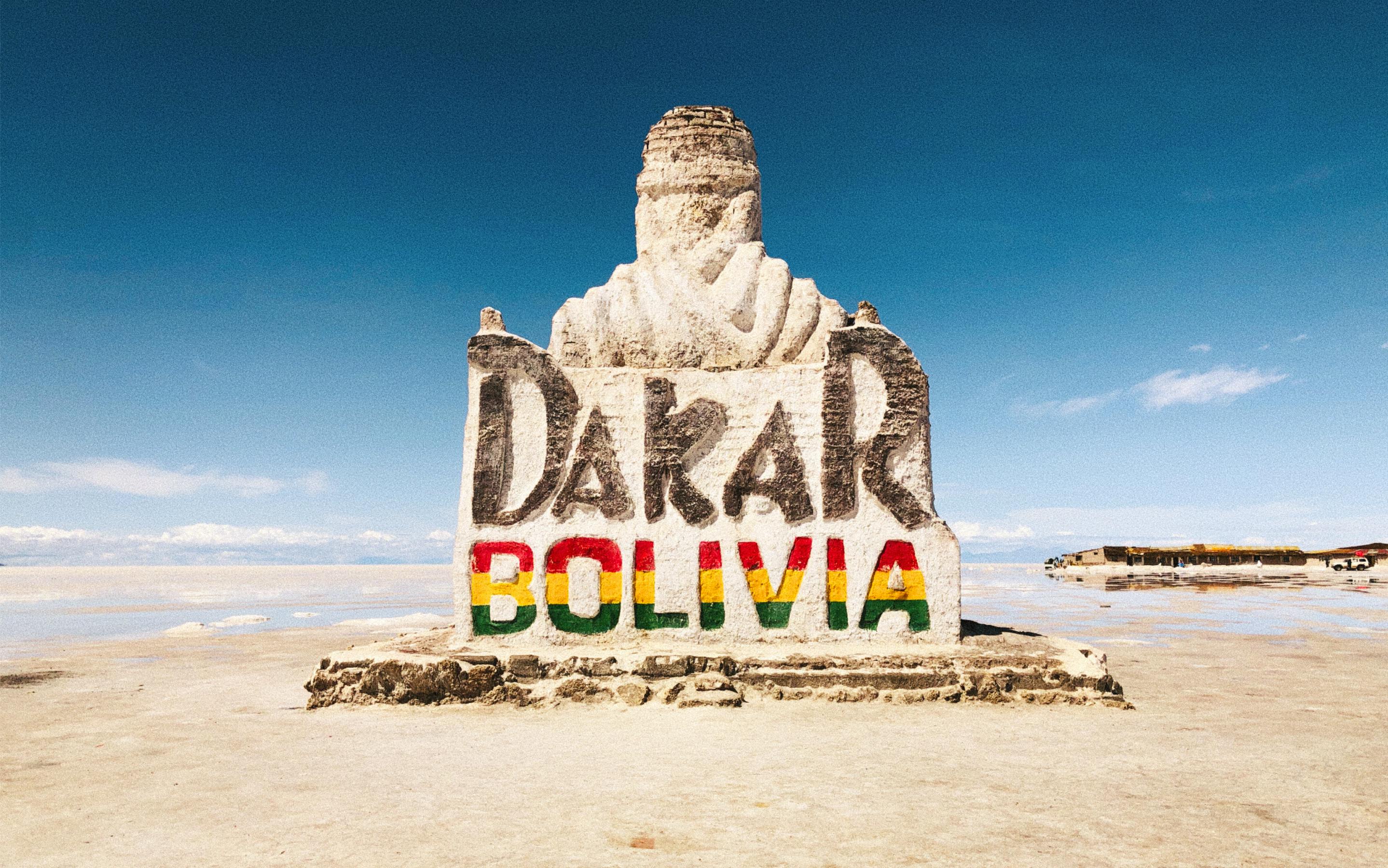
One of the most compelling reasons to visit Salar de Uyuni is its breathtaking scale and the sense of isolation it provides. It’s a perfect destination for budget travelers because many organized tours are affordable and include transportation, meals, and accommodations in basic but comfortable lodges. Visitors often start their journey from the nearby town of Uyuni, which serves as the gateway to the salt flats. Tours typically last for one to three days, offering opportunities to see local wildlife such as flamingos, explore volcanic landscapes, and visit traditional villages. The best time to visit depends on your preference: the rainy season (December to March) creates the mirror effect, while the dry season (April to November) offers endless white plains and clear skies. Remember to bring sunglasses, sunscreen, and plenty of water, as the high altitude and reflective surface can be taxing. Whether you’re interested in photography, adventure, or simply soaking in a unique natural wonder, Salar de Uyuni promises an unforgettable experience that is well worth the trip.
La Paz City and Valley
Perched high in the Andes at approximately 3,650 meters above sea level, La Paz is a vibrant city that offers a fascinating blend of modern life and ancient traditions. The city’s dramatic setting, nestled between towering mountains and deep valleys, makes it one of South America’s most visually striking destinations. La Paz’s unique topography is best explored via its famous cable car system, which provides stunning panoramic views of the city and surrounding mountains. The city is also known for its bustling markets, such as the Witches’ Market, where you can find traditional remedies, handcrafted souvenirs, and local delicacies. Visitors should not miss the Plaza Murillo, the political heart of Bolivia, and the nearby historic center filled with colonial architecture.

The nearby Valley of the Moon presents a surreal landscape of eroded rock formations and winding pathways, perfect for hiking and photography. For nature lovers, the Valle de la Luna offers a captivating experience with its otherworldly terrain, shaped over millennia by wind and water. La Paz is also a gateway to exploring the surrounding highlands, where indigenous communities maintain traditional lifestyles. Budget travelers will appreciate the variety of affordable hostels, local eateries, and guided tours that make exploring this vibrant city accessible. When planning your visit, consider the high altitude and take time to acclimate. Visiting La Paz provides a rich cultural experience, stunning natural scenery, and the opportunity to connect with Bolivia’s indigenous heritage—all within a relatively compact and budget-friendly package.
Tiwanaku Archaeological Site
Located approximately 72 kilometers west of La Paz, the Tiwanaku Archaeological Site is one of Bolivia’s most important cultural treasures. This ancient complex dates back to around 500 AD and was once the capital of the Tiwanaku civilization, which played a significant role in pre-Incan South America. The site is renowned for its precisely cut stone structures, intricate carvings, and mysterious monoliths. Visitors can explore the Akapana Pyramid, the Gateway of the Sun, and the Kalasasaya platform, each offering insights into the advanced engineering and spiritual beliefs of the ancient inhabitants. The site’s layout and artifacts continue to intrigue archaeologists and historians, fueling theories about its purpose and the civilization’s influence across the continent.
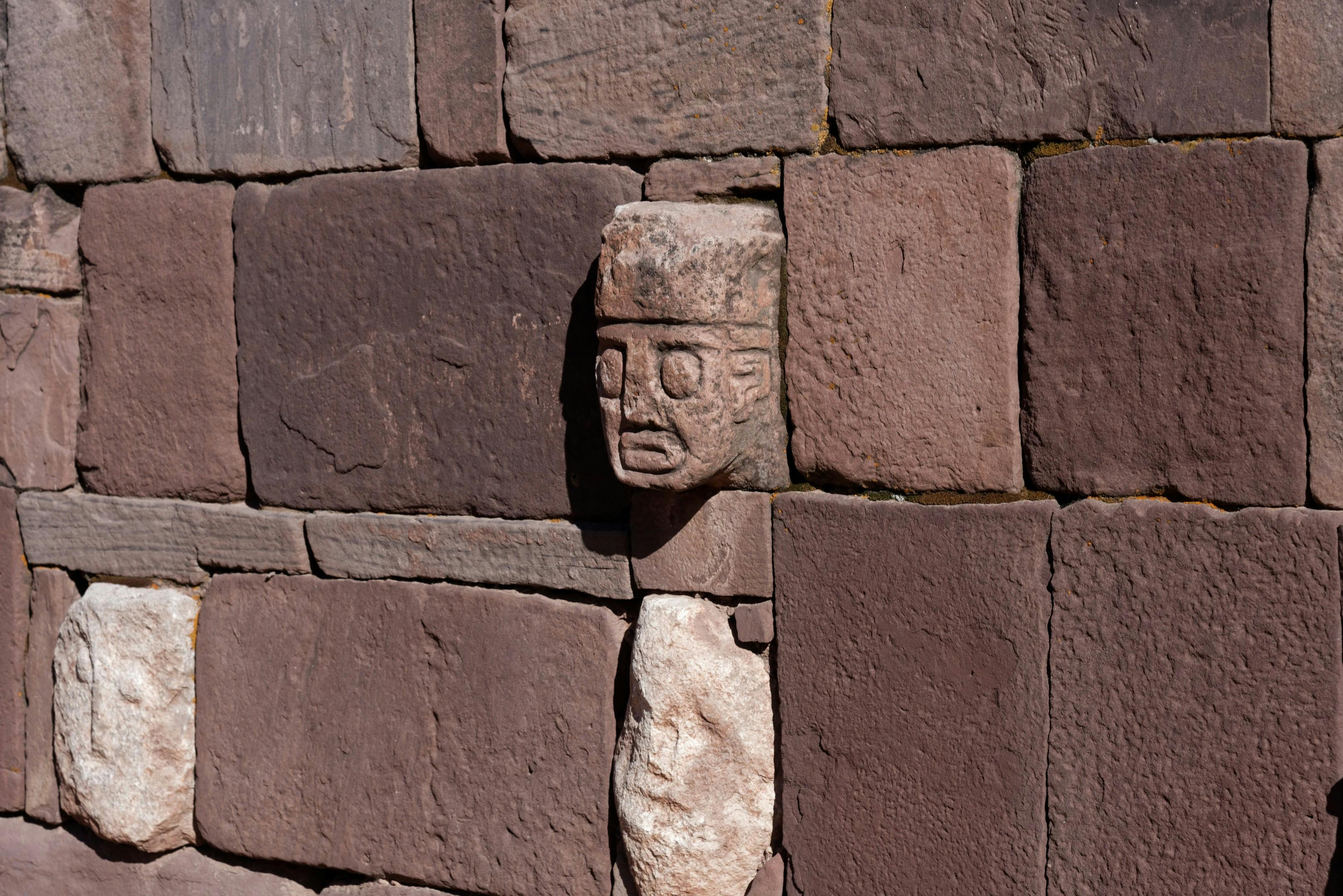
Visiting Tiwanaku is a fascinating journey into Bolivia’s ancient past. The site is easily accessible from La Paz, making it an ideal day trip for budget travelers. Entrance fees are modest, and guided tours are available at reasonable prices, providing valuable context and interpretation of the site’s mysteries. The surrounding landscape features fertile plains and distant mountains, adding to the sense of stepping back in time. Be sure to wear comfortable shoes, bring water, and protect yourself from the sun, as the site is mostly open-air with little shade. A visit to Tiwanaku offers a compelling glimpse into a highly developed civilization that predates the Incas, making it an essential stop for history enthusiasts and curious travelers alike. Its archaeological significance, combined with its accessible location and affordable tours, makes Tiwanaku a highlight for those exploring Bolivia on a budget.
Best Time to Visit Bolivia
Understanding Bolivia’s Climate and Seasons
Bolivia’s diverse geography creates varied weather patterns throughout the year. The high-altitude regions, such as La Paz and Lake Titicaca, experience cooler temperatures year-round, while the lowlands, including the Amazon basin, tend to be warmer and more humid. Generally, Bolivia has two main seasons: the dry season and the rainy season.
Peak Tourist Seasons
The most popular time to visit Bolivia aligns with its dry season, which runs from May to October. During these months, travelers enjoy clear skies, minimal rainfall, and optimal conditions for exploring outdoor attractions like the Uyuni Salt Flats, hiking in the Andes, or visiting archaeological sites. This period coincides with the Southern Hemisphere’s winter, making it ideal for travelers seeking stable weather.
However, because this is the peak season, expect higher prices and larger crowds, especially during major festivals like the Carnaval de Oruro in February or the Día de los Muertos in November.
Off-Peak Benefits
Visiting during the shoulder seasons, from November to April, offers distinct advantages. Although this period coincides with the rainy season, it often results in fewer tourists and lower prices. The lush landscapes and vibrant flora are at their best, particularly in the Amazon and Yungas regions. Additionally, some remote areas become more accessible when the crowds thin out.
It’s important to note that heavy rains can sometimes hinder travel plans, especially for outdoor activities. However, if you are flexible and seeking a budget-friendly experience, this period provides excellent value and a more authentic, less crowded atmosphere.
Summary Table: Pros and Cons of Visiting Bolivia
| Timing | Pros | Cons |
|---|---|---|
| May to October (Dry Season) |
|
|
| November to April (Rainy Season) |
|
|
Ultimately, the best time depends on your priorities—whether you value clear weather and vibrant festivals or prefer quieter, budget-friendly travel. For travelers seeking authentic experiences with fewer crowds, the shoulder months of late spring and early autumn can be particularly rewarding.
Getting to Bolivia: Your Gateway to South America’s Budget Getaways
Bolivia, a landlocked country nestled in the heart of South America, offers a unique blend of vibrant culture, stunning landscapes, and affordable travel options. Whether you’re arriving from neighboring countries or planning an international flight, understanding your transportation choices can help maximize your budget and enhance your experience. From budget airlines to local buses, Bolivia is accessible for travelers seeking an adventurous yet economical journey.
Flights to Bolivia
Most international travelers arrive in Bolivia via major airports in La Paz or Santa Cruz. La Paz El Alto International Airport (LPB) is the primary gateway for flights from South America, North America, and Europe. Several budget airlines operate within South America, offering competitive fares to Bolivia, especially if booked in advance. Popular airlines include LATAM, Avianca, and Boliviana de Aviación. Keep in mind that flights to Bolivia can be more affordable if you are flexible with your travel dates and consider flying during off-peak seasons.
Traveling by Train and Bus
While Bolivia’s train network is limited, it offers scenic routes that are perfect for budget travelers. The train from Oruro to Uyuni provides breathtaking views of the Andean landscape at a low cost. However, most travelers prefer buses for their affordability and extensive network. Bolivian bus companies connect major cities and rural areas, often providing overnight journeys that save on accommodation costs. Be sure to choose reputable bus companies to ensure safety and comfort.
Car Rentals and Local Transportation Tips
If you prefer flexibility and plan to explore remote areas, renting a car can be a cost-effective option, especially when traveling in a group. Car rentals are available in major cities, but always compare prices and check for insurance coverage. When using public transportation, keep in mind that buses and taxis are inexpensive, but it’s wise to agree on fares beforehand or use ride-hailing apps where available. For budget travelers, combining buses, shared taxis, and occasional car rentals offers the best balance between cost and convenience.
Travel Tip: Always carry cash, as many local transport options do not accept cards. Additionally, learning basic Spanish phrases can make navigating local services easier. Bolivia’s diverse terrain and vibrant culture make it an ideal destination for budget travelers eager to explore without overspending.
Best Places to Stay in Bolivia: Accommodations for Every Budget
Bolivia offers a diverse range of accommodations that cater to travelers with varied budgets. Whether you seek luxury, mid-range comfort, or budget-friendly options, the country’s hospitality scene ensures memorable stays. Here, we explore the top choices across different price points, highlighting what makes each unique and why they are ideal for your South American adventure.
Luxury Options: Indulge in Bolivia’s Finest
For travelers looking to experience Bolivia in style, luxury hotels provide exceptional service, elegant decor, and prime locations. One standout is the Hotel Casa Grande Sucre. Nestled in the heart of Sucre’s historic district, this boutique hotel combines colonial charm with modern amenities. Guests enjoy spacious rooms, a rooftop terrace with panoramic city views, and gourmet dining. Its personalized service makes it perfect for those seeking comfort and sophistication.
Another top-tier choice is the Atix Hotel in La Paz. Known for its contemporary design and eco-conscious ethos, Atix offers sleek rooms, a rooftop pool, and a wellness center. Its central location provides easy access to La Paz’s cultural sites, making it an excellent base for exploring the city in style.
Mid-Range Comfort: Balance of Quality and Affordability
Mid-range accommodations in Bolivia strike a perfect balance between comfort and affordability. The Hotel Rosario La Paz is a popular choice. Situated near the city center, it features comfortable rooms, friendly staff, and a cozy restaurant. Its convenient location allows guests to explore La Paz without hassle, making it ideal for travelers wanting quality without overspending.
In Sucre, the Hotel Boutique Convento Santa Teresa offers charming rooms within a restored 17th-century monastery. Guests appreciate its peaceful ambiance, beautiful courtyards, and delicious local cuisine. It’s a fantastic option for those seeking a cultural experience combined with comfort.
Budget Options: Affordable Stays for Adventurers
Budget travelers will find Bolivia welcoming with numerous affordable hostels and guesthouses. The Hostel La Paz Backpackers provides a lively atmosphere, clean dorms, and communal spaces perfect for meeting fellow travelers. Its central location and friendly vibe make it a top pick for backpackers.
In Cochabamba, the Hostal La Llave de la Ciudad offers basic but clean rooms at affordable rates. The staff is known for their helpfulness, and the hostel’s proximity to local markets and eateries enhances the authentic experience. These options ensure that even budget travelers can enjoy Bolivia’s vibrant culture without sacrificing comfort.
In summary, Bolivia’s diverse accommodation options ensure that every traveler, regardless of budget, can find a comfortable and memorable place to stay. From luxurious retreats to budget-friendly hostels, each choice offers a unique gateway into Bolivia’s rich cultural tapestry and breathtaking landscapes.
Essential Travel Products for Visiting Bolivia
1. Travel Backpack with Anti-Theft Features
For travelers exploring Bolivia, a reliable and secure backpack is indispensable. The Nomatic Navigator Lite Backpack is designed specifically for adventure and city travel alike. Crafted from durable, water-resistant materials, it ensures your belongings stay dry during unexpected rain showers common in Bolivia’s diverse climate. Its anti-theft features include lockable zippers, RFID-blocking pockets, and concealed compartments, which provide peace of mind when navigating bustling markets or remote villages.
This backpack offers a versatile design with multiple compartments, making organization effortless. Its padded laptop sleeve and adjustable straps ensure comfort during long hikes or city walks. The lightweight construction minimizes fatigue, while the sleek aesthetic suits both casual and professional settings. Whether trekking through the high-altitude plains or exploring La Paz, this backpack adapts seamlessly to varied environments.
Available on Amazon and outdoor gear retailers, the Nomatic Navigator Lite is a practical investment for budget-conscious travelers who prioritize security and functionality. Its durability and thoughtful features make it ideal for Bolivia’s rugged terrains and vibrant urban centers alike.
2. Portable Water Purification System
Access to safe drinking water is vital when traveling through Bolivia’s diverse landscapes, especially in remote regions like the Andes or the Salar de Uyuni. The LifeStraw Personal Water Filter is an essential product that ensures you can drink safely from natural water sources without carrying heavy bottles. It uses advanced hollow fiber membrane technology to remove bacteria, parasites, and microplastics, providing clean water instantly.
This lightweight, compact device can filter up to 1,000 gallons of water, making it perfect for extended trips. Its simple design requires no batteries or chemicals, making it eco-friendly and easy to use. Simply dip the straw into a water source and sip — ideal for hiking, trekking, or exploring Bolivia’s wilderness areas. Its affordability and reliability make it a favorite among budget travelers seeking independence from bottled water costs and waste.
Available at outdoor retailers and online stores such as REI or Amazon, the LifeStraw Personal Water Filter is a must-have for travelers venturing into Bolivia’s less-developed regions. It guarantees safe hydration, allowing you to focus on discovering Bolivia’s stunning landscapes without worry.
Explore Amazon’s top travel essentials
Guidebooks for Budget Travelers Exploring Bolivia
Best Budget Getaways Travel Guide Bolivia on Kindle Unlimited and Audible
For those seeking affordable adventures in Bolivia, the Best Budget Getaways Travel Guide Bolivia offers invaluable insights. Available on Kindle Unlimited and Audible, this guidebook is tailored for travelers who want to maximize their experience without overspending. It provides detailed itineraries, local tips, and budget-friendly accommodations, helping travelers make informed choices at every turn.
1. Bolivia on a Budget: The Ultimate Travel Guide
This comprehensive guide covers everything from cheap eats to affordable transport options. It highlights lesser-known destinations like Tupiza and the Yungas, allowing travelers to escape tourist crowds and enjoy authentic experiences. The book’s practical advice on navigating public transportation and finding budget-friendly hostels makes it a must-have for cost-conscious explorers.
2. Off-the-Beaten-Path Bolivia: Budget Adventures & Hidden Gems
Perfect for adventurous travelers, this audiobook and Kindle edition uncovers Bolivia’s hidden treasures. It emphasizes sustainable travel and local interactions, encouraging visitors to connect with communities while keeping costs low. Its engaging narratives and practical tips help travelers plan immersive experiences without overspending.
3. Bolivia Travel Secrets: Affordable Ways to Explore the Altiplano & Salt Flats
This guide focuses specifically on the Salar de Uyuni and surrounding regions, offering budget-friendly options for tours, lodging, and transportation. It provides insider tips on negotiating prices and avoiding tourist traps, ensuring travelers get the most value for their money while exploring Bolivia’s iconic landscapes.
Using these guides, budget travelers can confidently explore Bolivia’s diverse environments, from high-altitude cities to expansive salt flats, all while managing expenses effectively. Whether listening to an audiobook during long bus rides or reading detailed itineraries on Kindle, these resources make Bolivia accessible and affordable for every traveler seeking South America’s hidden treasures.
Adventure awaits! Listen to travel stories, history, and language lessons with a free trial.
Frequently Asked Questions About Budget Travel in Bolivia
1. Is Bolivia a budget-friendly destination for travelers on a tight budget?
Absolutely. Bolivia is renowned for offering some of the most affordable travel experiences in South America. From inexpensive hostels and local eateries to low-cost transportation options, travelers can explore diverse landscapes without overspending. Public transportation, such as buses and shared taxis, is very affordable and connects major cities and attractions efficiently. Additionally, many cultural sites and natural parks have minimal entrance fees, making Bolivia an excellent choice for budget-conscious adventurers seeking authentic experiences.
2. What are the must-visit budget-friendly destinations in Bolivia?
Some of the top budget-friendly destinations include:
- La Paz: Known for its vibrant markets, street food, and stunning cityscape nestled in the Andes.
- Sucre: A charming colonial city with inexpensive accommodations and rich history.
- Uyuni Salt Flats: The surreal landscape can be explored via affordable guided tours, especially if booked locally.
- Copacabana and Lake Titicaca: Small towns offering budget lodging and scenic views.
Exploring these areas allows travelers to enjoy Bolivia’s diverse culture and natural beauty without overspending.
3. How can I save money on transportation within Bolivia?
Transportation costs are minimal if you utilize local options. Buses and shared taxis are the most economical choices. For longer distances, overnight buses offer significant savings on accommodation costs. When traveling between major cities, booking tickets in advance can sometimes secure lower fares. Additionally, consider walking or renting bicycles in cities like La Paz and Sucre to save money and experience local life more intimately.
4. Are there affordable accommodations suitable for budget travelers?
Yes. Bolivia offers a wide range of budget accommodations such as hostels, guesthouses, and small hotels. Many of these are family-run establishments providing clean, safe, and friendly environments at low prices. Hostels often include communal kitchens, allowing travelers to prepare their own meals, which further reduces expenses. Booking in advance, especially during peak seasons, can help secure the best rates and availability.
5. What local foods are affordable and worth trying?
Bolivian street food and local markets are treasure troves for budget travelers. You can enjoy hearty dishes like salteñas (savory pastries), mote con charqui (dried meat with corn), and llajua (spicy salsa) at very low prices. Eating at local markets not only saves money but also offers an authentic taste of Bolivian cuisine. Always look for busy stalls with locals, as they tend to serve the freshest and most affordable food.
6. Is it safe to travel in Bolivia on a budget?
Yes, with proper precautions. Bolivia is generally safe for travelers, but it’s essential to stay aware of your surroundings and avoid displaying valuables in crowded areas. Stick to well-known tourist zones and use reputable transportation services. Traveling with a small group or joining guided tours can enhance safety and provide valuable local insights. Budget travel doesn’t mean compromising safety; instead, it encourages smart planning and awareness.
7. Can I visit Bolivia year-round on a budget?
Yes. Bolivia’s diverse climate allows for year-round travel, but the best times for budget travel are during the shoulder seasons—April to June and September to November. During these months, there are fewer tourists, and prices for accommodations and tours tend to be lower. Avoid peak seasons like December and July when prices rise due to holidays and festivals. Planning ahead and being flexible with travel dates can help maximize your budget.

Shop smarter – cashback on clothing, luggage & travel gear!
Conclusion: Embrace the Adventure of Bolivia on a Budget
Exploring Bolivia offers an exceptional blend of natural beauty, rich culture, and unforgettable experiences—all without straining your finances. From the stunning landscapes of the Uyuni Salt Flats to the vibrant streets of La Paz, this country demonstrates that budget travel can be both exciting and deeply rewarding. Affordable accommodations, inexpensive local cuisine, and numerous low-cost attractions allow travelers to immerse themselves fully in Bolivia’s unique heritage.
Whether hiking through rugged terrains, discovering colorful markets, or marveling at otherworldly landscapes, Bolivia’s diverse offerings ensure each moment is meaningful. Planning ahead, utilizing local transportation, and engaging with community-led tours can help maximize your experience while keeping costs low. Remember, authentic travel is rooted in genuine encounters and exploration—qualities Bolivia provides abundantly.
Considering Bolivia for your next South American adventure means embracing affordability alongside breathtaking scenery. Its inviting landscapes and vibrant culture make it an ideal destination for explorers eager to create memorable stories without overspending. So, pack your bags, embrace the spirit of adventure, and let Bolivia reveal its treasures to you.