Discover the Best Budget Getaways in Australia: Your Ultimate Travel Guide
Explore Australia’s Hidden Gems on a Budget
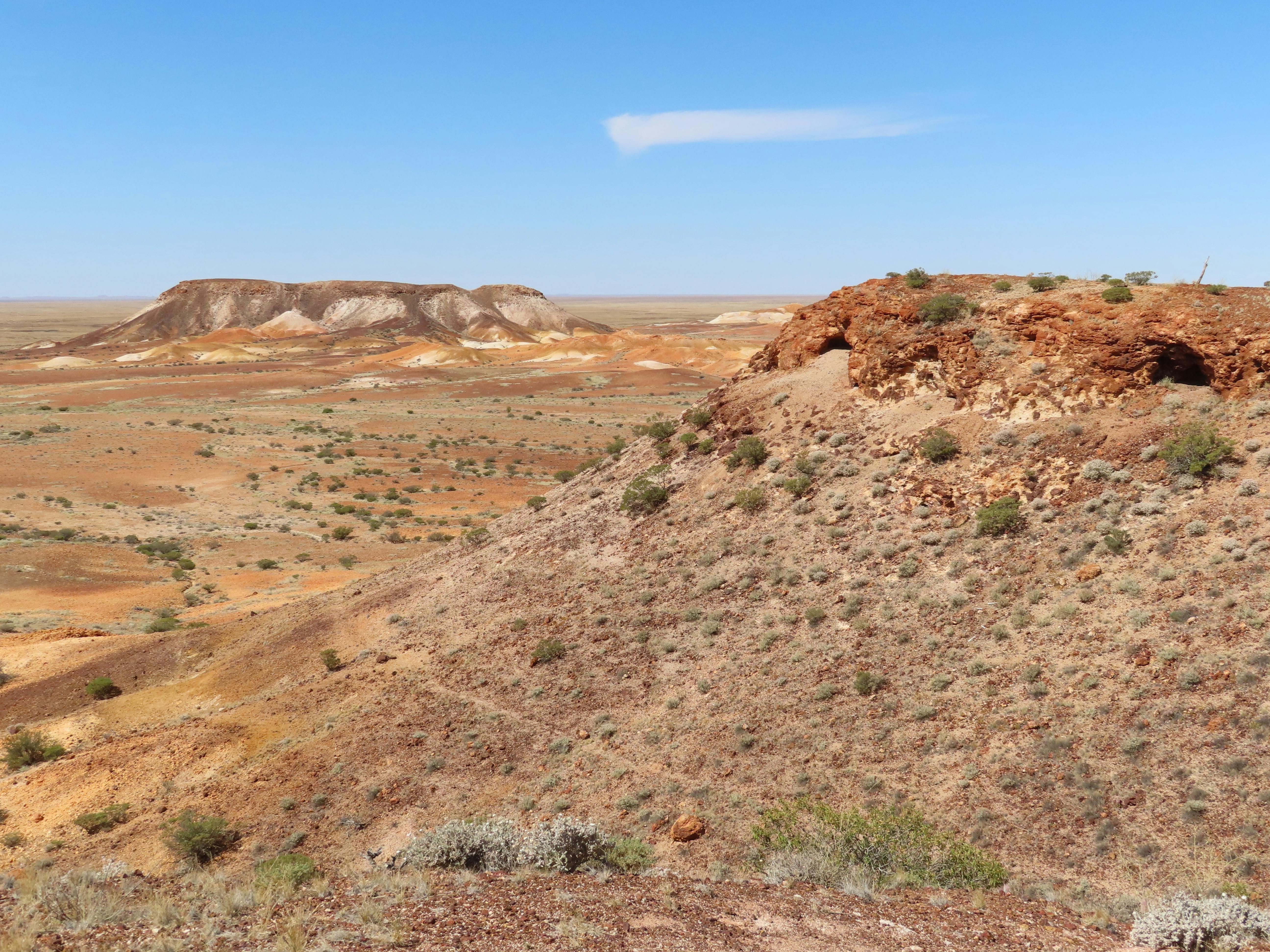
Australia is renowned worldwide for its stunning landscapes, vibrant cities, and unique wildlife. However, beyond the well-trodden tourist spots, the country offers countless affordable adventures that allow travelers to experience its diverse beauty without overspending. From pristine beaches and lush forests to charming towns and rugged outback, Australia’s less-explored destinations provide unforgettable experiences at a fraction of the cost of popular hotspots.
This travel guide is designed specifically for budget-conscious explorers eager to uncover Australia’s best-kept secrets. You can expect practical tips on affordable accommodations, cost-effective activities, and insider insights into local culture. Whether you’re seeking tranquil coastal escapes, scenic nature trails, or vibrant communities that welcome backpackers, this article will help you plan your perfect budget-friendly getaway. Discover how Australia’s diverse regions can be enjoyed without overspending, making your dream trip both memorable and affordable.
Plan, pack, and play with Amazon Prime – try it free for 30 days!
Sydney Opera House
The Sydney Opera House stands as an iconic symbol of Australia’s vibrant cultural scene and architectural innovation. Located on Bennelong Point in Sydney Harbour, this UNESCO World Heritage Site is renowned for its distinctive sail-like design, which has become a global icon. The Opera House serves as a multi-venue performing arts center, hosting more than 1,500 performances annually, including opera, ballet, theater, and music concerts. Its prime location offers breathtaking views of the harbour, making it a must-visit destination for travelers seeking a blend of culture and scenic beauty.
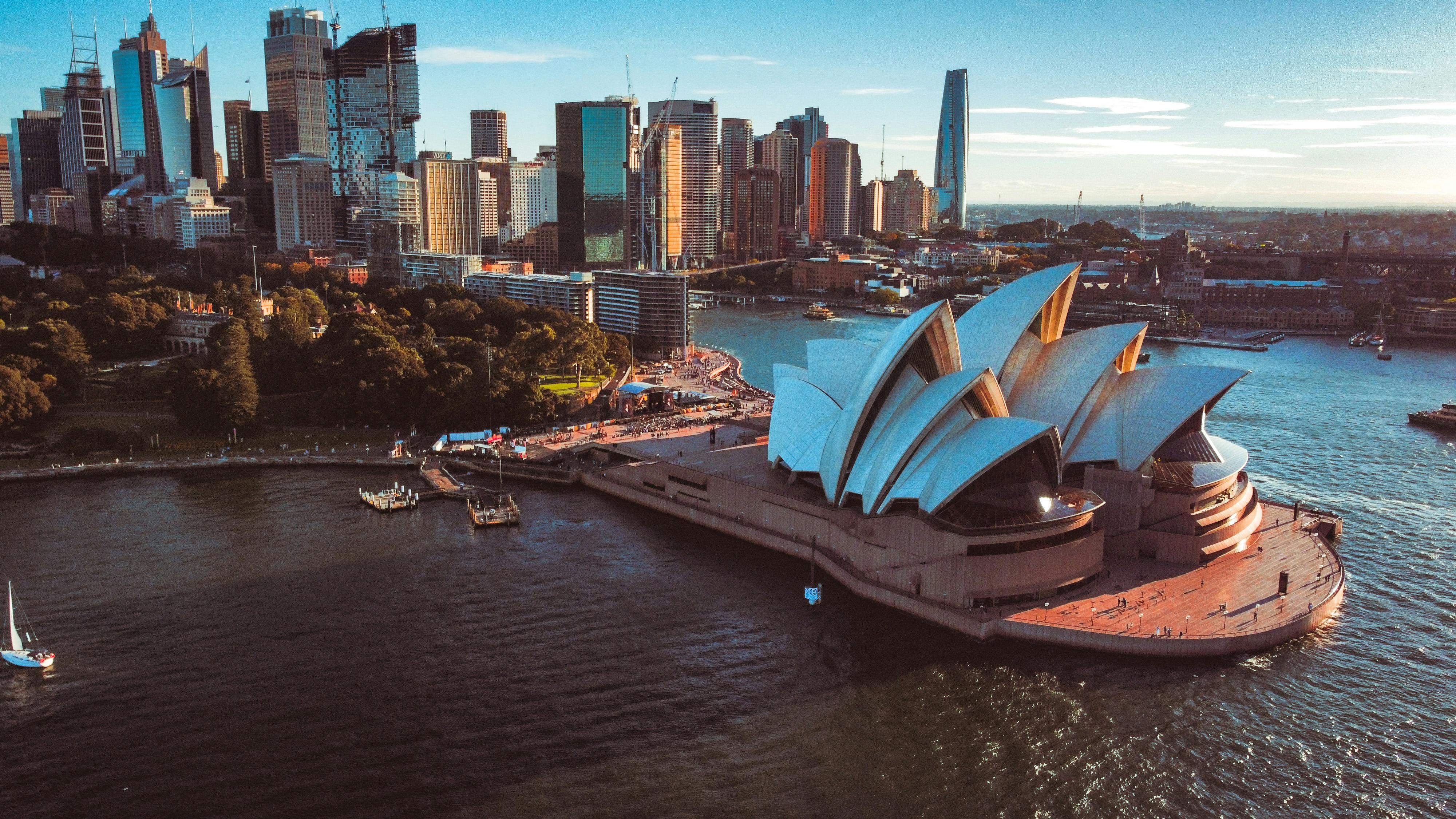
Visitors can explore various venues within the Opera House, such as the Concert Hall, Drama Theatre, and Studio, each offering unique experiences. Guided tours are available, providing insight into the building’s fascinating architecture, history, and behind-the-scenes operations. These tours are often budget-friendly and provide a deeper appreciation of the site’s significance. The surrounding Circular Quay area is lively, with plenty of cafes, restaurants, and street performers, making it an ideal spot to relax before or after catching a show.
Practical tips for visitors include arriving early to enjoy the scenic views and secure good seats for performances. Tickets for shows can be purchased online or at the box office, often with options for budget-conscious travelers. For those interested in free experiences, simply walking around the exterior and taking in the spectacular views of Sydney Harbour is an unforgettable, cost-free activity. Visiting the Sydney Opera House offers an affordable yet enriching way to experience Australia’s artistic spirit while enjoying the stunning harbor scenery. Whether attending a performance or exploring the architecture, it’s a highlight of any trip to Sydney.
Great Barrier Reef
The Great Barrier Reef is the world’s largest coral reef system, stretching over 2,300 kilometers along the northeastern coast of Queensland. This UNESCO World Heritage Site is a marvel of natural beauty, composed of over 2,900 individual reefs and 900 islands. It is renowned for its vibrant marine life, crystal-clear waters, and breathtaking underwater landscapes. The reef is a paradise for snorkelers and divers alike, offering an extraordinary opportunity to witness marine creatures such as sea turtles, manta rays, colorful tropical fish, and even sharks in their natural habitat.
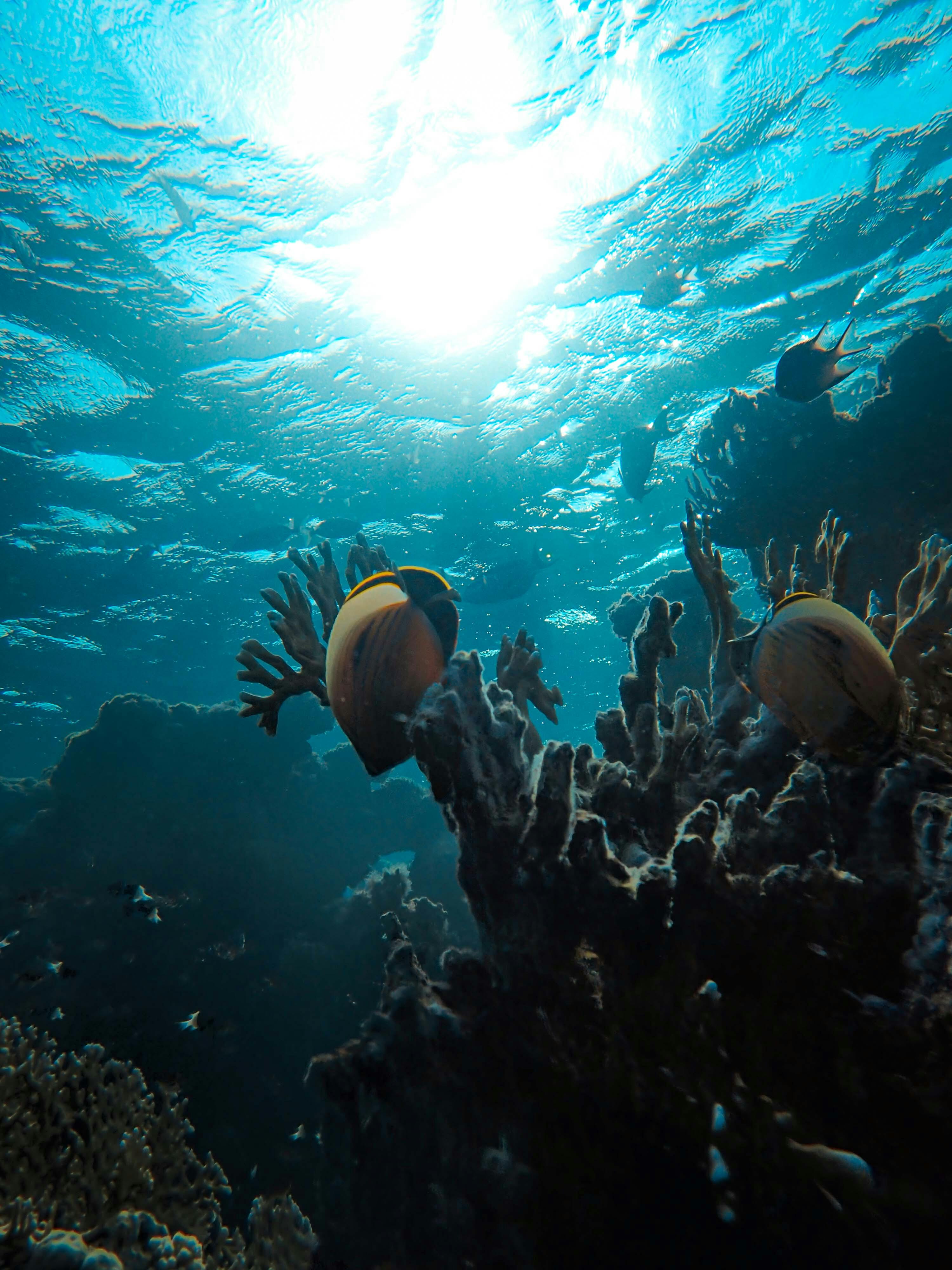
Located off the coast of Queensland, the reef is accessible from several gateway towns, with Cairns and Port Douglas being the most popular starting points. Visitors can choose from a variety of budget-friendly options, including day trips, snorkeling tours, and introductory diving experiences. Many tour operators offer affordable packages that include equipment rental, guided excursions, and transport, making it easier for travelers on a budget to explore this natural wonder.
Beyond snorkeling and diving, the reef offers opportunities for glass-bottom boat tours, scenic flights, and marine wildlife watching. To maximize your experience, it’s advisable to book tours in advance, especially during peak seasons. Remember to bring eco-friendly sunscreen, a hat, and water to stay comfortable during your excursions. Visiting the Great Barrier Reef is an unforgettable experience that combines adventure, nature, and affordability, providing a once-in-a-lifetime opportunity to connect with one of Earth’s most extraordinary ecosystems without overspending.
Uluru (Ayers Rock)
Uluru, also known as Ayers Rock, is a massive sandstone monolith located in the heart of Australia’s Red Centre, within Uluru-Kata Tjuta National Park. Rising 348 meters above the surrounding plain, this sacred site holds deep spiritual significance for the Anangu people, the traditional owners of the land. Its striking reddish hue, especially during sunrise and sunset, makes Uluru one of the most photographed landmarks in Australia. The rock’s surface is dotted with ancient Aboriginal rock art, offering a glimpse into the region’s rich indigenous history and culture.
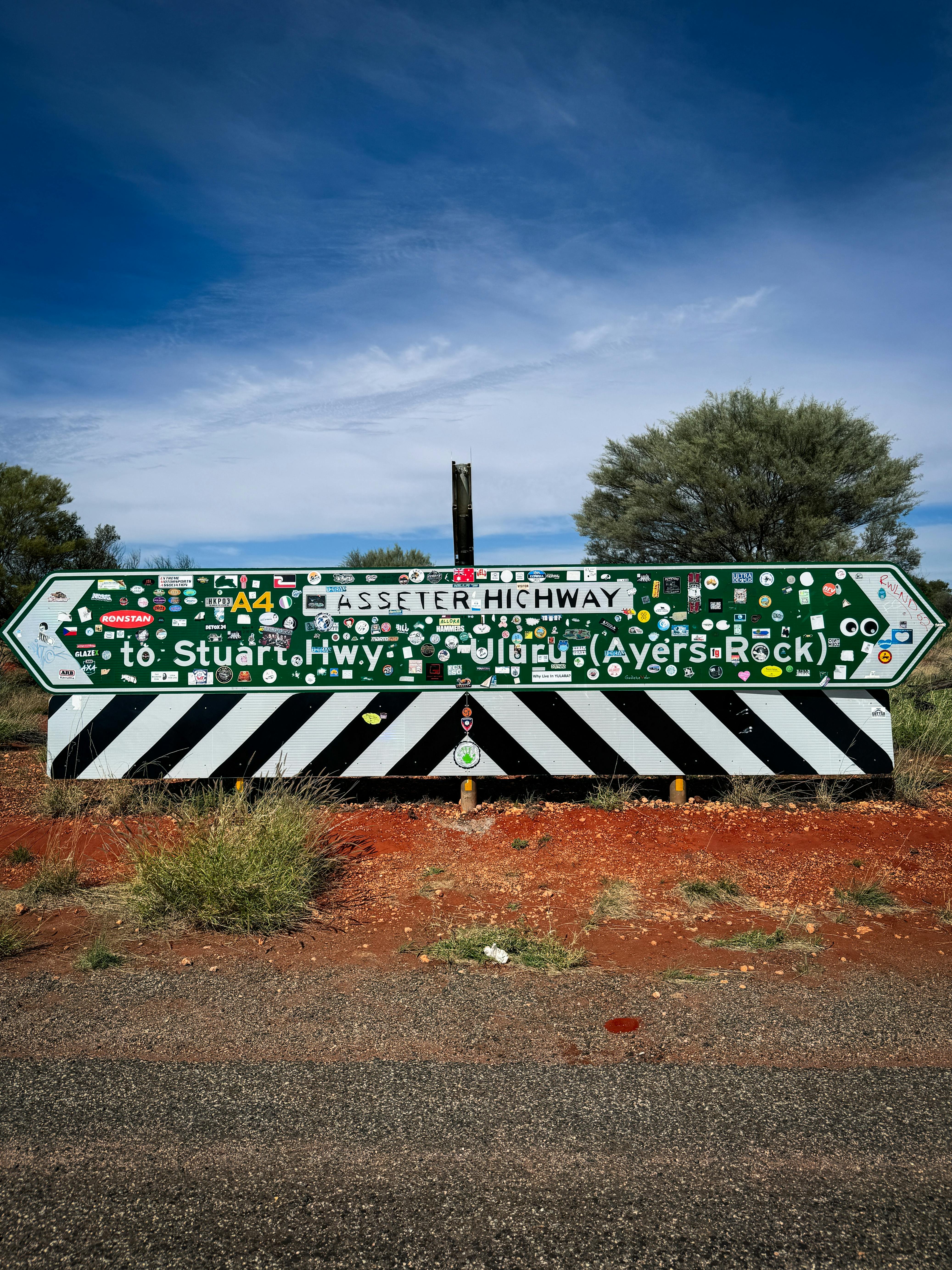
Uluru is situated approximately 450 kilometers southwest of Alice Springs, making it accessible via road trips or organized tours. Visitors can explore the base of Uluru through walking trails, which are generally free and provide close-up views of the rock’s surface and surrounding desert landscape. Guided cultural walks led by Anangu guides are highly recommended, offering insights into the spiritual significance and traditional stories associated with Uluru. These experiences are often budget-friendly and deepen understanding of the site’s cultural importance.
For practical planning, sunrise and sunset viewing are popular times to visit, as the changing light dramatically transforms the rock’s appearance. It’s important to respect the local customs and avoid climbing Uluru, as it is a sacred site. Instead, many travelers choose to appreciate Uluru from designated viewing areas or participate in cultural activities offered by the local Anangu community. Visiting Uluru provides a profound connection to Australia’s natural beauty and indigenous heritage, all while being accessible to travelers seeking affordable and meaningful experiences in the outback.
Sydney Harbour Bridge
The Sydney Harbour Bridge is one of Australia’s most iconic landmarks, stretching majestically across Sydney Harbour. Located in the heart of the city, this steel arch bridge connects the central business district with the North Shore, offering stunning panoramic views of the city skyline, Opera House, and sparkling waters below. Completed in 1932, it remains a marvel of engineering and a symbol of Australian resilience and ingenuity.
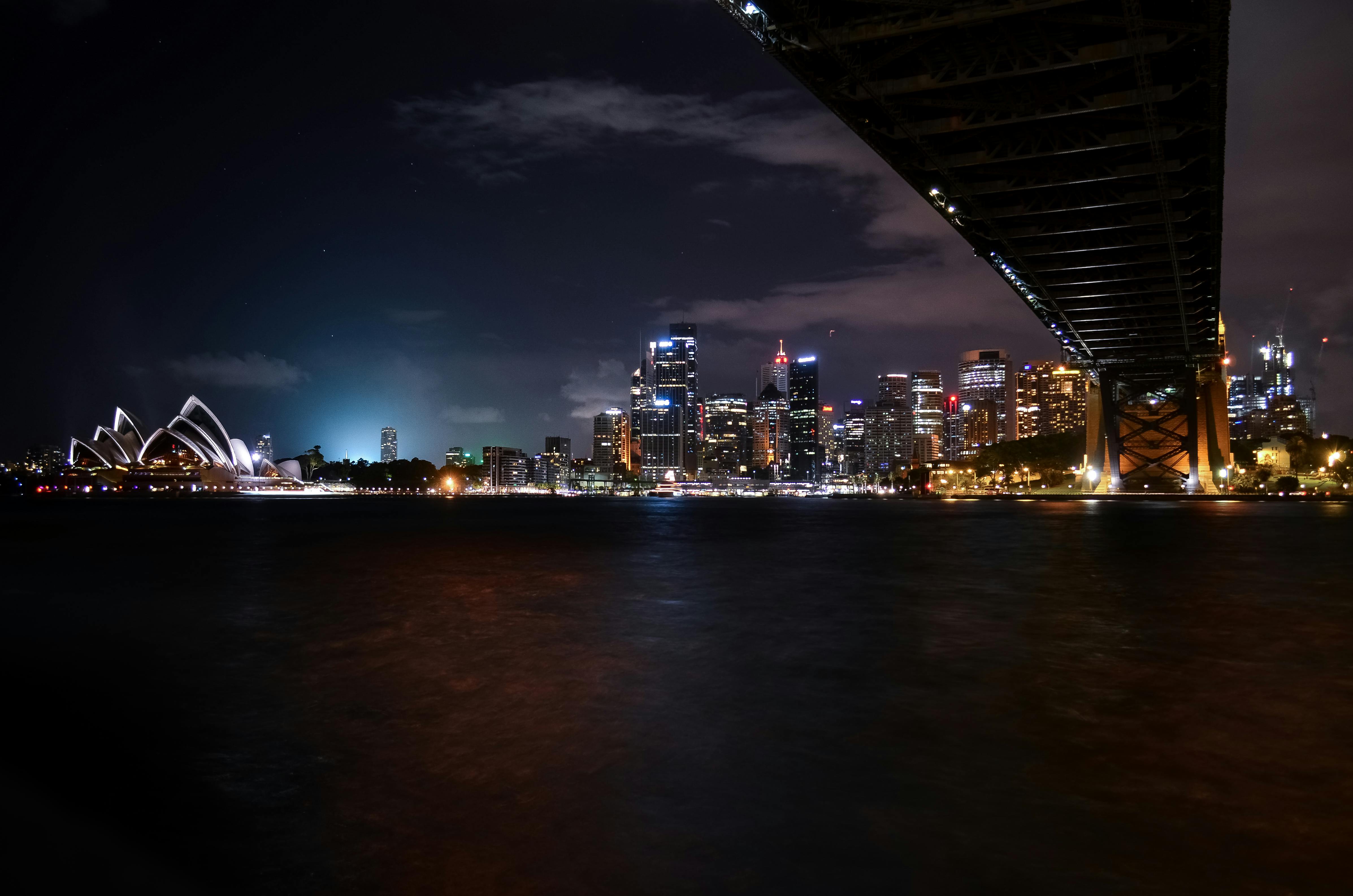
Visitors to the Sydney Harbour Bridge can enjoy a variety of experiences, from walking or cycling across the pedestrian pathways to participating in the famous BridgeClimb tour. The BridgeClimb provides an exhilarating opportunity to ascend to the top of the arch, offering breathtaking views of Sydney and its surroundings. For those seeking a more relaxed visit, the Pylon Lookout at the southern end of the bridge offers informative exhibits about its history and construction, along with spectacular vistas from its observation deck.
Practical Information for Visitors
- Location: Bridge Street, Sydney
- Best Time to Visit: Spring and autumn for mild weather and fewer crowds
- Getting There: Easily accessible by public transport, with nearby train stations and bus stops
- Tickets: BridgeClimb requires booking in advance, while walking tours and lookout visits are available without prior reservation
Why It’s Worth Visiting
The Sydney Harbour Bridge is more than just a feat of engineering; it’s a gateway to experiencing Sydney’s vibrant culture and natural beauty. Whether you choose to climb to the summit or admire it from the ground, the bridge offers unparalleled views that are especially stunning at sunrise or sunset. For budget travelers, simply walking across the bridge provides incredible photo opportunities and a chance to soak in the city’s energy without spending a dime. Its central location also makes it a convenient starting point for exploring other attractions along the harbour.
Daintree Rainforest
Located in Far North Queensland, the Daintree Rainforest is one of the oldest and most biologically diverse tropical rainforests in the world. Estimated to be over 135 million years old, this lush wilderness is a UNESCO World Heritage Site, offering visitors a rare glimpse into ancient ecosystems. The forest spans approximately 1,200 square kilometers, providing a sanctuary for countless plant and animal species, many of which are found nowhere else on Earth.

Exploring the Daintree Rainforest is a journey into a world of towering trees, vibrant wildlife, and pristine waterways. Popular activities include guided walks, birdwatching, and river cruises that allow visitors to see crocodiles and rare bird species in their natural habitat. The forest’s dense canopy provides a cool, shaded environment, making it an ideal escape from the tropical heat. Visitors can also visit the nearby Cape Tribulation, where the rainforest meets the Great Barrier Reef, creating a landscape of rainforest, beaches, and coral reefs.
Practical Information for Visitors
- Location: Near Port Douglas and Cairns, Queensland
- Best Time to Visit: Dry season from May to October for optimal weather and wildlife viewing
- Getting There: Accessible by car or guided tours from Cairns and Port Douglas
- Entry Fees: Varies depending on guided tours or self-guided walks; many tours include transportation and expert guides
Why It’s Worth Visiting
The Daintree Rainforest offers an extraordinary opportunity to connect with one of the world’s most ancient ecosystems without overspending. Many affordable guided tours and self-guided options exist, making it accessible for budget-conscious travelers. The combination of lush greenery, exotic wildlife, and the proximity to iconic beaches makes it a perfect day trip or overnight adventure. Visiting the Daintree enriches your understanding of natural history and provides a peaceful retreat into some of Australia’s most pristine landscapes, all while being mindful of your budget.
Best Time to Visit Australia
Understanding the Climate and Seasons
Australia’s vast size means its climate varies significantly across regions. Generally, the country experiences three main seasons: summer (December to February), autumn (March to May), winter (June to August), and spring (September to November). In the northern regions, such as Queensland and the Great Barrier Reef, summers are hot and humid, while southern areas like Melbourne and Sydney enjoy milder temperatures during spring and autumn. This diversity influences the ideal time for different activities and budgets.
Peak Tourist Seasons and Their Impact
Peak tourist seasons typically occur during the Australian summer months and major holidays, including Christmas and New Year. During these times, popular destinations see higher prices for accommodations and flights, and attractions tend to be crowded. Visiting during these periods might mean paying more but offers lively events and festivals, especially along the coast. If you’re seeking a lively atmosphere, these months could be appealing, but for budget travelers, they may not be the best choice.
Off-Peak Benefits for Budget Travelers
Traveling during the shoulder seasons—autumn (March to May) and spring (September to November)—provides several advantages. Prices for flights and accommodations tend to drop, and attractions are less crowded. Additionally, the weather remains pleasant for outdoor activities, making it an ideal time to explore cities, beaches, and national parks without the hefty price tag. Winter (June to August) offers even lower prices, especially in southern regions, and is perfect for budget travelers who enjoy cooler weather and fewer crowds.
Practical Tips for Planning
- Plan your visit during shoulder seasons for the best balance of weather and affordability.
- Avoid peak summer months if you want to save on costs and escape crowds.
- Consider regional climates—Northern Australia is best visited in dry season (May to October), while southern areas are more comfortable in spring and autumn.
Summary: Pros and Cons of Visiting Australia at Different Times
| Timing | Pros | Cons |
|---|---|---|
| Peak Summer (December-February) | Festivals, lively atmosphere, warm beaches | Higher prices, crowds, hot and humid weather in the north |
| Shoulder Seasons (March-May & September-November) | Good weather, fewer crowds, better prices | Variable weather in some regions |
| Winter (June-August) | Lower prices, fewer tourists, ideal for southern regions | Colder weather, some attractions may close or have limited hours |
Ultimately, the best time for budget-friendly travel depends on your preferred climate and activities. Planning during shoulder or off-peak seasons can maximize your experience while minimizing costs, making Australia an accessible and rewarding destination for all travelers.
How to Get to Australia: Your Guide to Budget-Friendly Travel
Traveling to Australia can seem daunting at first, especially when aiming for budget-friendly options. Whether you’re planning a quick getaway or an extended adventure, understanding the various transportation methods will help you save money and make your journey smoother. Australia is well-connected by air, and once there, numerous transportation options make exploring the vast continent both affordable and accessible. Below, you’ll find comprehensive guidance on reaching Australia and navigating within it effectively.
Flights to Australia
The most common way to reach Australia, especially from Europe, North America, or Asia, is by air. Major international airports include Sydney (SYD), Melbourne (MEL), Brisbane (BNE), and Perth (PER). To find the best budget fares, consider booking well in advance and being flexible with your travel dates. Low-cost airlines such as Jetstar, Scoot, and AirAsia often offer competitive prices, especially during off-peak seasons. Additionally, look for connecting flights through major hubs like Singapore, Kuala Lumpur, or Doha, which can sometimes reduce costs significantly. Keep an eye on flight comparison websites to secure the best deals.
Other Transportation Options
Once you arrive in Australia, various transportation options can help you explore affordably:
- Trains: Australia’s train network is extensive, especially along the eastern coast. For budget travelers, rail passes like the Australian Rail Pass can offer unlimited travel for a fixed period, saving money on multiple journeys.
- Buses: Bus services are widespread and cost-effective, connecting major cities and regional areas. Companies like Greyhound Australia and Firefly Express provide reliable, budget-friendly routes.
- Car Rentals: Renting a car offers flexibility for exploring remote areas and national parks. To find the best deals, compare prices online and consider sharing costs with fellow travelers.
Travel Tips and Important Information
For budget travelers, planning ahead is crucial. Consider purchasing an Opal card in Sydney or a Myki card in Melbourne for discounted fares on public transport. Always check schedules and book tickets early when possible. Remember that Australia is vast, so internal flights might sometimes be more economical than long-distance buses or trains, especially if time is limited. Additionally, traveling during shoulder seasons (spring and fall) can lead to significant savings on flights and accommodations. Lastly, pack light and plan your routes carefully to avoid unnecessary expenses, making your Australian adventure both affordable and enjoyable.
Best Places to Stay in Australia: Catering to Every Budget
Australia offers a diverse range of accommodations that cater to travelers with varying budgets. Whether you seek luxury, mid-range comfort, or budget-friendly options, the country has something to suit your preferences. Here, we highlight the best places to stay across different price points, emphasizing unique experiences and value for money.
Luxury Options: Indulge in Australian Elegance
For travelers seeking an opulent experience, Australia boasts some of the world’s most renowned luxury hotels. These properties not only provide exceptional amenities but also immerse guests in local culture and stunning surroundings.
One&Only Hayman Island in Queensland stands out as a premier luxury resort. Nestled within the Great Barrier Reef, it offers private beaches, world-class spa services, and exquisite dining options. Its secluded setting makes it perfect for relaxation and romance.
The Darling at The Star in Sydney combines contemporary design with top-tier amenities. Guests enjoy panoramic city views, a rooftop pool, and access to fine dining and entertainment venues. It’s ideal for those who want a vibrant city experience with a touch of luxury.
Mid-Range Comfort: Balancing Quality and Affordability
If you prefer comfort without the hefty price tag, mid-range hotels provide excellent value. These accommodations often feature modern decor, convenient locations, and friendly service.
- Ovolo Woolloomooloo in Sydney offers stylish rooms with unique decor, a rooftop terrace, and complimentary breakfast. Its central location makes it easy to explore the city’s attractions.
- Ramada Hotel & Suites by Wyndham in Melbourne provides spacious suites with kitchenettes, perfect for longer stays or families. Its proximity to major shopping districts adds to its appeal.
These hotels strike a perfect balance between affordability and quality, making them ideal for travelers who want a memorable stay without overspending.
Budget-Friendly Options: Discovering Hidden Gems
For those traveling on a tight budget, Australia still offers comfortable and clean accommodations that won’t break the bank. Hostels, guesthouses, and budget hotels are plentiful, especially in popular cities and tourist hotspots.
- Wake Up! Sydney is a vibrant hostel located near Central Station. It features lively communal areas, free Wi-Fi, and organized tours, making it perfect for social travelers.
- Space Hotel in Melbourne offers dormitory-style rooms and private rooms at affordable rates. Its rooftop terrace provides fantastic city views and a great place to meet other travelers.
Choosing budget options allows travelers to allocate more funds toward experiences like exploring the Great Barrier Reef or visiting iconic landmarks. These accommodations prove that comfort and adventure can go hand in hand, even on a limited budget.
In summary, whether you seek luxury, mid-range comfort, or budget-friendly stays, Australia provides diverse options that enhance your travel experience. Selecting accommodations aligned with your budget enables you to truly enjoy the best of what this vibrant continent has to offer.
Essential Travel Products for Visiting Australia
1. Australian Travel Power Adapter with USB Ports
When traveling to Australia, one of the most practical items to pack is a universal travel power adapter that includes multiple USB ports. The Australian power outlets operate at 230V with a Type I plug, which differs from many other countries. A high-quality, multi-port adapter ensures you can charge all your devices simultaneously—smartphones, tablets, cameras, and portable chargers—without carrying multiple chargers. This particular adapter features built-in surge protection, safeguarding your electronics from voltage spikes, which is especially important given the remote and diverse locations you might visit in Australia. Compact and lightweight, it easily fits into carry-on luggage, making it perfect for travelers on the go. You can find reliable options on Amazon, travel electronics stores, or major electronics retailers like Best Buy.
2. All-Weather Travel Backpack with RFID Blocking
Australia’s varied climate—from tropical rainforests in Queensland to arid outback regions—calls for a versatile and durable backpack. An all-weather travel backpack with RFID blocking technology offers both protection and convenience. This backpack is crafted from water-resistant materials, ensuring your belongings stay dry during unexpected rain showers or outdoor adventures. Its ergonomic design provides ample storage compartments, including a padded section for laptops and tablets, perfect for digital nomads or travelers capturing Australia’s stunning landscapes. RFID blocking pockets add an extra layer of security against electronic theft, safeguarding your credit cards and passports. Additionally, features like anti-slip shoulder straps and a built-in luggage trolley sleeve make it comfortable and easy to carry through airports or rugged terrains. Available at outdoor gear stores, travel specialty shops, or online marketplaces like REI or Amazon, this backpack is an investment in both comfort and security during your Australian journey.
Shop these travel essentials on Amazon
Guidebooks for Budget Getaways in Australia
1. “Australia on a Budget: The Ultimate Travel Guide” (Kindle Unlimited & Audible)
This comprehensive guide offers practical tips for exploring Australia without overspending. It covers affordable accommodations, budget-friendly dining options, and free or low-cost activities across major cities and remote regions. The book emphasizes local experiences that won’t strain your wallet, such as visiting national parks, beaches, and cultural festivals. Its detailed itineraries help travelers maximize their time and savings, making it an ideal resource for those seeking the best budget getaways. The Audible version allows you to listen on the go, perfect for long drives or walks through vibrant markets and scenic spots.
2. “Cheap & Cheerful Australia: Your Budget Travel Companion” (Kindle Unlimited & Audible)
This guide focuses on affordable adventures across Australia’s diverse landscapes. It highlights budget accommodations like hostels, camping sites, and guesthouses, along with economical transportation options. The book also provides insider tips on finding discounted tours, free attractions, and local eateries that serve authentic Australian cuisine at a fraction of the cost. Its practical advice helps travelers avoid tourist traps and discover hidden gems. The Audible edition offers engaging narration that brings Australia’s lively culture and natural beauty to life, inspiring budget-conscious explorers to venture further.
3. “The Savvy Traveler’s Guide to Australia” (Kindle Unlimited & Audible)
This guide combines practical travel strategies with cultural insights, focusing on cost-effective ways to experience Australia’s iconic sights. It includes tips for saving on flights, transportation, and accommodations, as well as suggestions for free or inexpensive activities like beach days, hiking, and exploring local markets. The book also offers advice on packing light and smart, which can significantly reduce travel expenses. Its friendly tone and comprehensive approach make it a valuable resource for budget travelers eager to immerse themselves in Australia’s environment without overspending. The Audible version provides a lively narration, perfect for planning your trip during commutes or downtime.
With these guidebooks, travelers can confidently explore Australia’s stunning landscapes, vibrant cities, and unique wildlife—all while maintaining a budget. Whether you prefer reading on Kindle Unlimited or listening via Audible, these resources equip you with the knowledge to make your Australian adventure both memorable and affordable.
Turn your road trip into an audiobook adventure – start listening for free!
Frequently Asked Questions About Budget Getaways in Australia
1. What are some affordable destinations for a budget-friendly trip in Australia?
Australia offers numerous destinations that won’t break the bank. Popular budget-friendly spots include Byron Bay for its laid-back vibe and free beaches, Tasmania for stunning wilderness and affordable accommodations, and Adelaide for its vibrant arts scene and low-cost dining options. Additionally, exploring regional areas like Uluru or Grampians National Park can be economical if planned carefully, especially with self-guided tours and camping. These locations provide natural beauty and cultural experiences at a fraction of the cost of major cities.
2. How can I save money on transportation within Australia?
Transportation costs can add up quickly, but several strategies help reduce expenses. Consider purchasing a Travel Pass or Opal Card for unlimited travel on public transport in cities like Sydney and Melbourne. For intercity travel, look for bus and coach deals instead of flights, which can be cheaper when booked in advance. Renting a car with friends can also split costs, especially for exploring remote areas. Lastly, walking or cycling through towns not only saves money but also offers a more intimate experience of local life.
3. What are the best budget accommodation options in Australia?
Budget travelers will find a variety of affordable options across Australia. Hostels are widespread, offering dormitory beds and private rooms at low rates. Websites like Hostelworld and Booking.com often feature deals and reviews to help choose the best value. Camping grounds and caravan parks are excellent choices for outdoor lovers, especially near national parks. Additionally, consider Airbnb rentals, which can be more economical than hotels, especially if traveling in groups or with family. Always book early to secure the best deals.
4. Are there free or low-cost activities suitable for travelers on a tight budget?
Absolutely. Many Australian destinations offer free or inexpensive activities that showcase their natural beauty. For instance, enjoy beach days at Bondi or Whitehaven Beach, hike scenic trails in national parks, or explore local markets and street art. Visiting museums and cultural sites often has free entry or low-cost admission. Participating in guided walks or self-guided tours also provides insight into the area’s history and environment without spending much.
5. When is the best time to visit Australia for budget travelers?
The ideal time for budget travel is during Australia’s shoulder seasons—spring (September to November) and autumn (March to May). During these periods, accommodation and flight prices tend to be lower, and attractions are less crowded. Avoid peak holiday seasons like Christmas, New Year, and school holidays, as prices often surge. Planning ahead and being flexible with travel dates significantly enhances your chances of snagging the best deals.
6. What practical tips can help maximize savings during my trip?
To make the most of your budget, consider these tips:
– Book flights and accommodations well in advance.
– Use local supermarkets and markets for affordable meals instead of dining out frequently.
– Take advantage of free Wi-Fi and local SIM deals for communication.
– Pack light to avoid extra baggage fees.
– Research free events or festivals happening during your stay.
By planning ahead and staying flexible, you’ll enjoy a memorable Australian adventure without overspending.
Enjoy Your Budget-Friendly Australian Adventure!
With careful planning, Australia can be a fantastic destination that fits any budget. Focus on natural attractions, utilize affordable transportation, and choose budget accommodations to keep costs low. Remember, the best experiences often come from exploring the outdoors and immersing yourself in local culture—often free or inexpensive. Happy travels!
Make every trip more affordable! Earn cashback when you book flights, hotels, car rentals, and even travel insurance with 100s of top retailers. Sign up today and start saving!
Discover Your Perfect Budget Escape in Australia
Embarking on a budget-friendly adventure across Australia is more achievable than ever. From the stunning coastal towns to the rugged outback, this guide highlighted some of the best affordable getaways that promise unforgettable experiences without overspending. Whether you choose the laid-back charm of Byron Bay, the vibrant culture of Adelaide, or the natural beauty of Tasmania, each destination offers unique attractions, affordable accommodations, and budget-conscious activities.
Key Takeaways
- Affordable destinations abound across Australia, catering to diverse interests and landscapes.
- Smart planning, such as booking in advance and choosing budget accommodations, can significantly reduce costs.
- Many destinations offer free or low-cost activities like hiking, beaches, and cultural festivals.
- Public transport and self-guided tours are excellent ways to explore while saving money.
Exploring Australia’s hidden gems doesn’t have to be costly. With some preparation and an adventurous spirit, you can enjoy rich experiences and breathtaking scenery on a budget. Start planning your affordable Australian escape today and uncover the beauty that awaits beyond the usual tourist spots.
Take the first step toward your budget-friendly adventure now. Research your chosen destination, look for deals on accommodations, and embrace the local culture. Australia’s diverse landscapes and welcoming communities are ready to offer you an unforgettable, affordable getaway. Your next adventure is just a decision away—dive in and explore the best budget escapes Australia has to offer!