Discover the Charm of Asia on a Budget: Your Ultimate Travel Guide
Best Budget Getaways in Asia: Unlocking Hidden Gems for Affordable Adventures

Asia stands out as one of the most captivating continents for travelers seeking diverse experiences without overspending. From bustling street markets and vibrant festivals to serene beaches and lush mountains, this continent offers a rich tapestry of cultures, flavors, and landscapes—all accessible to budget-conscious explorers. What makes Asia truly unique is its ability to blend ancient traditions with modern innovation, providing a seamless journey through history and contemporary life. Whether you’re craving authentic street food, affordable accommodations, or immersive cultural encounters, Asia’s affordability and variety make it an ideal destination for cost-effective travel.
In this comprehensive guide, you will discover the top budget-friendly destinations across Asia, learn tips for saving on transportation and accommodation, and explore insider advice to maximize your experience without overspending. Prepare to uncover hidden treasures and create unforgettable memories while traveling smart and saving money. Get ready to embark on your affordable Asian adventure—where incredible experiences await at every turn.
Travel-ready in a click – get essentials delivered fast with Prime!
Great Wall of China
The Great Wall of China stands as one of the most iconic symbols of Chinese history and ingenuity. Stretching over 13,000 miles, it winds through mountains, deserts, and plains, offering a glimpse into ancient China’s defensive strategies. Originally built to protect Chinese states from invasions and raids, the wall has become a UNESCO World Heritage Site and a must-visit for travelers seeking a blend of history, architecture, and breathtaking scenery.

Located primarily in northern China, the most visited sections are Badaling, Mutianyu, Jinshanling, and Simatai. Each offers a unique experience, from well-preserved ruins to more rugged, less crowded paths. Badaling is the most accessible, featuring restored pathways and facilities, making it ideal for visitors on a budget. Mutianyu, slightly less crowded, boasts beautiful views and a cable car option, which can be skipped for a more budget-friendly visit. Jinshanling and Simatai provide a more authentic and challenging experience, perfect for those willing to hike and explore less commercialized areas.
Visiting the Great Wall is an unforgettable experience, especially for budget travelers. Entrance fees are affordable, and many sections are accessible via public transportation from Beijing, reducing transportation costs. Walking along the wall allows you to appreciate the engineering marvel firsthand, with stunning vistas that change with the seasons. Remember to wear comfortable shoes, bring water, and be prepared for varying weather conditions. Visiting early in the morning or late afternoon can also help avoid crowds and enjoy the site at its most serene. Whether you’re interested in history, hiking, or photography, the Great Wall offers a compelling and cost-effective adventure that leaves a lasting impression.
Taj Mahal
The Taj Mahal, located in Agra, India, is widely regarded as one of the most beautiful monuments in the world. Built by Mughal Emperor Shah Jahan in memory of his beloved wife Mumtaz Mahal, this white marble mausoleum is a masterpiece of Mughal architecture blending Persian, Islamic, and Indian styles. Its symmetrical gardens, reflecting pools, and intricate carvings make it a mesmerizing sight that attracts millions annually.

Situated on the southern bank of the Yamuna River, the Taj Mahal is best visited early in the morning or late in the afternoon to experience the changing light on its stunning surface. The complex includes a main mausoleum, surrounded by lush gardens, fountains, and additional structures such as mosques and guesthouses. The main dome rises approximately 35 meters, with delicate minarets at each corner, creating a balanced and harmonious silhouette.
For budget travelers, the Taj Mahal offers affordable entry fees, with guided tours available at reasonable prices. Nearby accommodations range from budget hostels to guesthouses, and local transport options such as rickshaws and buses make access easy and inexpensive. It’s advisable to arrive early to avoid crowds and to bring essentials like water, sunscreen, and a hat. Photography is permitted, but flash photography inside the mausoleum is restricted. Visiting the Taj Mahal not only provides a glimpse into Mughal history but also offers a serene environment perfect for reflection and appreciation of artistic beauty—all without overspending.
Machu Picchu
Perched high in the Andes Mountains of Peru, Machu Picchu is an ancient Incan citadel that continues to captivate travelers worldwide. Built in the 15th century, it is believed to have served as a royal estate or religious site. Its remarkable stone construction, terraced fields, and panoramic vistas make it one of the most extraordinary archaeological sites on the planet. Despite its popularity, it remains accessible to budget travelers willing to plan ahead and explore cost-effective options.
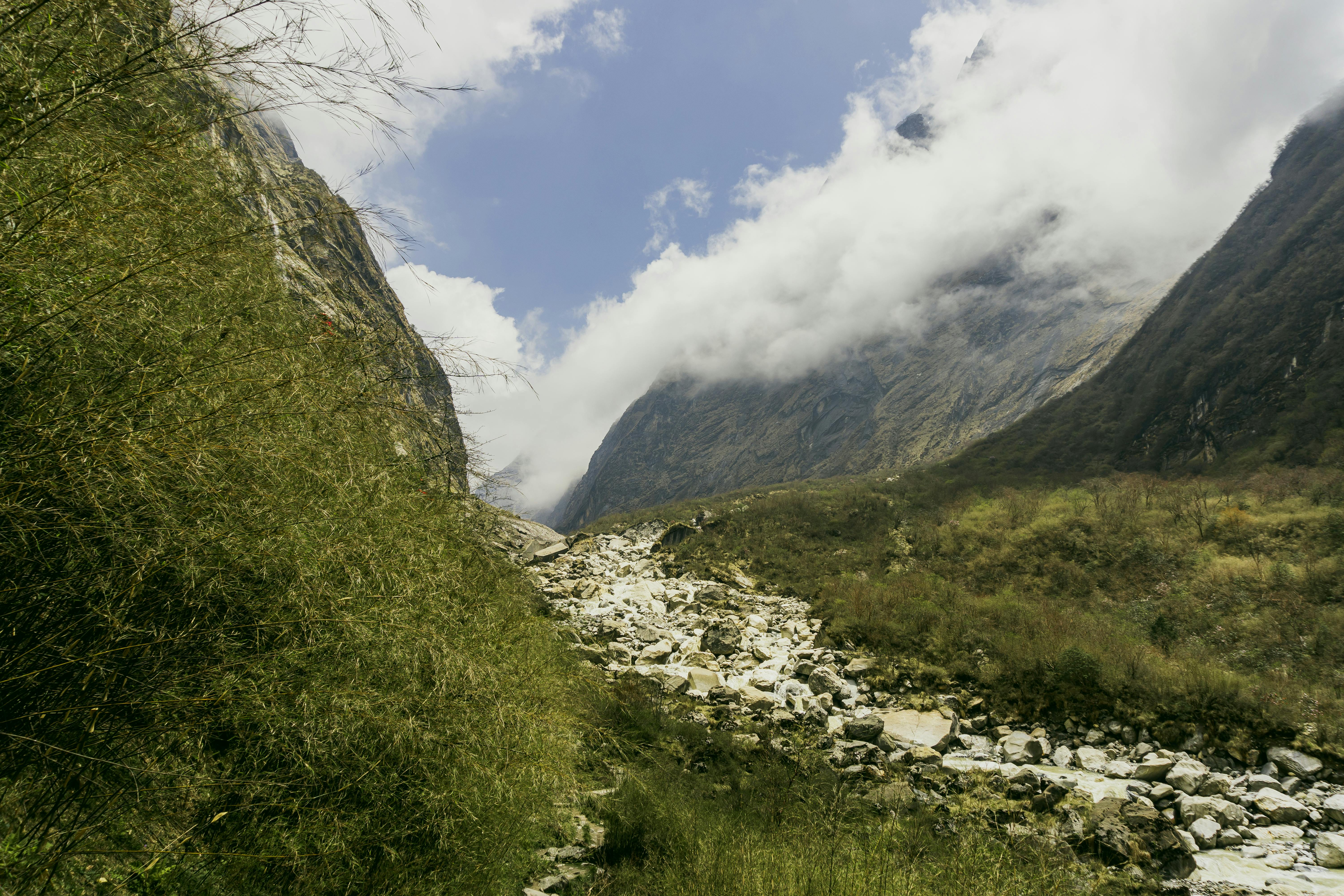
Located near the town of Aguas Calientes, Machu Picchu can be reached via a scenic train ride or, for the more adventurous, a multi-day trek along the Inca Trail. To save money, many travelers opt for the local bus from Aguas Calientes to the entrance, which is affordable and convenient. Entrance fees are reasonable, especially if you purchase tickets in advance online. The site itself features iconic terraced slopes, intricate stonework, and the famous Intihuatana stone, believed to be an astronomical observatory.
To maximize your budget, consider visiting during the shoulder seasons of April or late September to November, when prices tend to be lower and crowds thinner. Guided tours are available but not necessary; many visitors prefer to explore independently, which saves money. Remember to bring essentials like water, snacks, and sun protection. Climbing Huayna Picchu or Machu Picchu Mountain requires an additional fee and early booking, so plan accordingly if you wish to include these in your itinerary. Visiting Machu Picchu offers a profound glimpse into Incan civilization and natural beauty, all accessible on a modest budget with proper planning. It’s an experience that combines history, adventure, and stunning scenery, making it a truly worthwhile destination for budget-conscious travelers.
Angkor Wat
Located in the heart of Cambodia’s Siem Reap Province, Angkor Wat is undeniably one of the most iconic and awe-inspiring archaeological sites in Southeast Asia. Built in the early 12th century during the reign of King Suryavarman II, this sprawling temple complex exemplifies the grandeur of Khmer architecture. Originally constructed as a Hindu temple dedicated to Vishnu, it later transformed into a Buddhist site, reflecting Cambodia’s spiritual evolution over centuries.
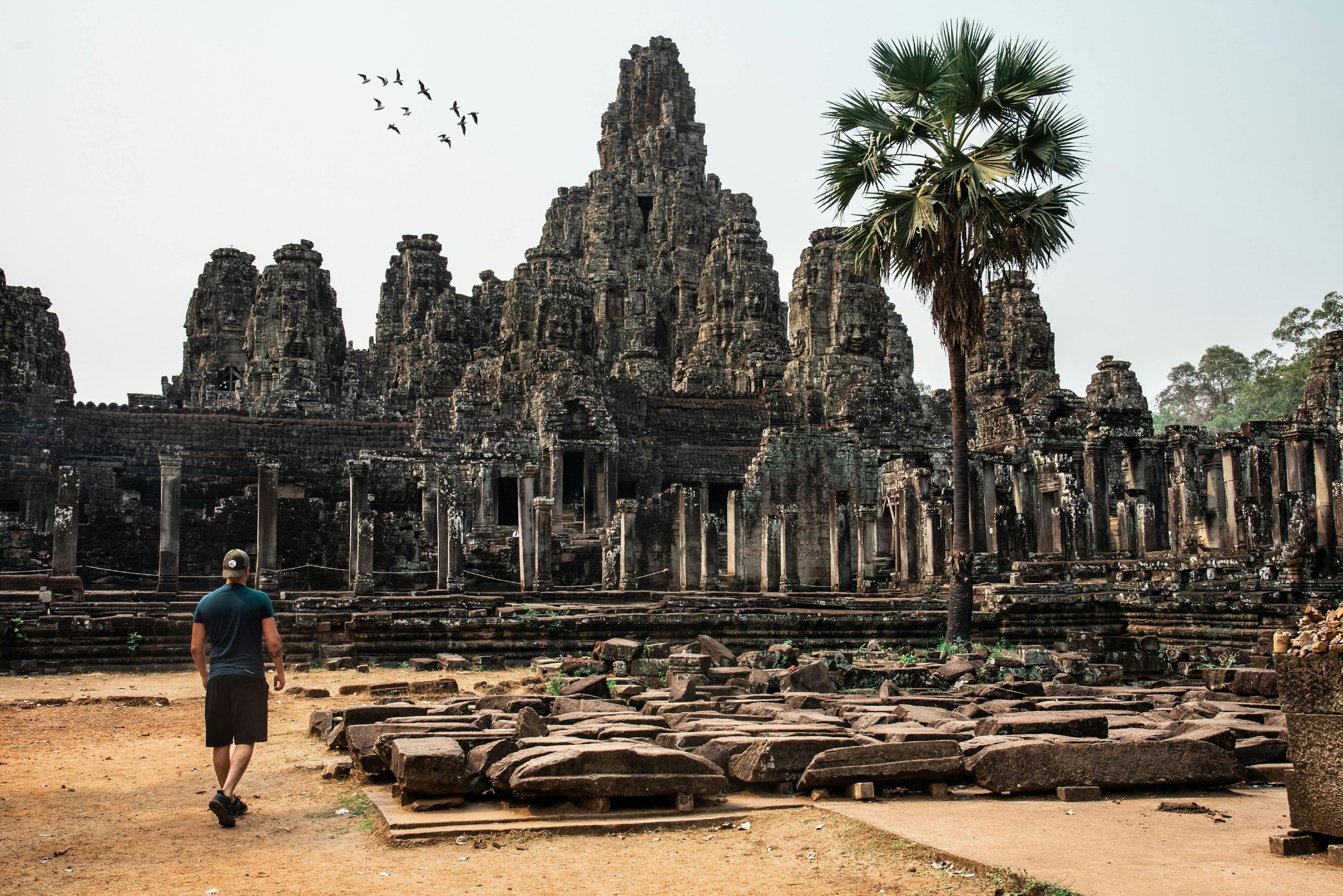
What makes Angkor Wat truly special is its intricate design and impressive scale. The central tower rises approximately 65 meters above the surrounding moat, symbolizing Mount Meru—the sacred mountain in Hindu and Buddhist cosmology. The temple complex is surrounded by a vast moat and an intricate system of galleries, courtyards, and corridors decorated with stunning bas-reliefs depicting mythological stories, historical events, and everyday life during the Khmer Empire. Visitors are often captivated by the detailed carvings and the harmonious symmetry of the architecture.
For travelers seeking a budget-friendly experience, visiting Angkor Wat offers excellent value. The best way to explore is by purchasing an affordable multi-day pass, which allows access to the entire Angkor Archaeological Park. Early morning visits are highly recommended to witness the sunrise over the temple, creating an unforgettable scene. Consider hiring a local guide or renting a bicycle to navigate the site economically, and avoid the high-cost tuk-tuk tours. The site opens at dawn and closes around five or six in the evening, giving ample time to explore at your own pace.
Aside from the main temple, the surrounding park contains numerous other ancient structures, including Ta Prohm, famous for its giant tree roots intertwined with ruins, and Banteay Srei, known for its elaborate pink sandstone carvings. Visiting Angkor Wat on a budget requires planning but rewards travelers with a glimpse into one of humanity’s most impressive ancient civilizations without overspending. Its timeless beauty and historical significance make it a must-see destination for any adventurous traveler.
Petra
Hidden within the rugged mountains of southern Jordan, Petra is an archaeological marvel that has captivated explorers for centuries. Established as early as the 5th century BC by the Nabataean people, it served as a vital trading hub due to its strategic location along ancient caravan routes. Today, Petra is renowned for its stunning rock-cut architecture, archaeological significance, and the sense of adventure it inspires in every visitor.
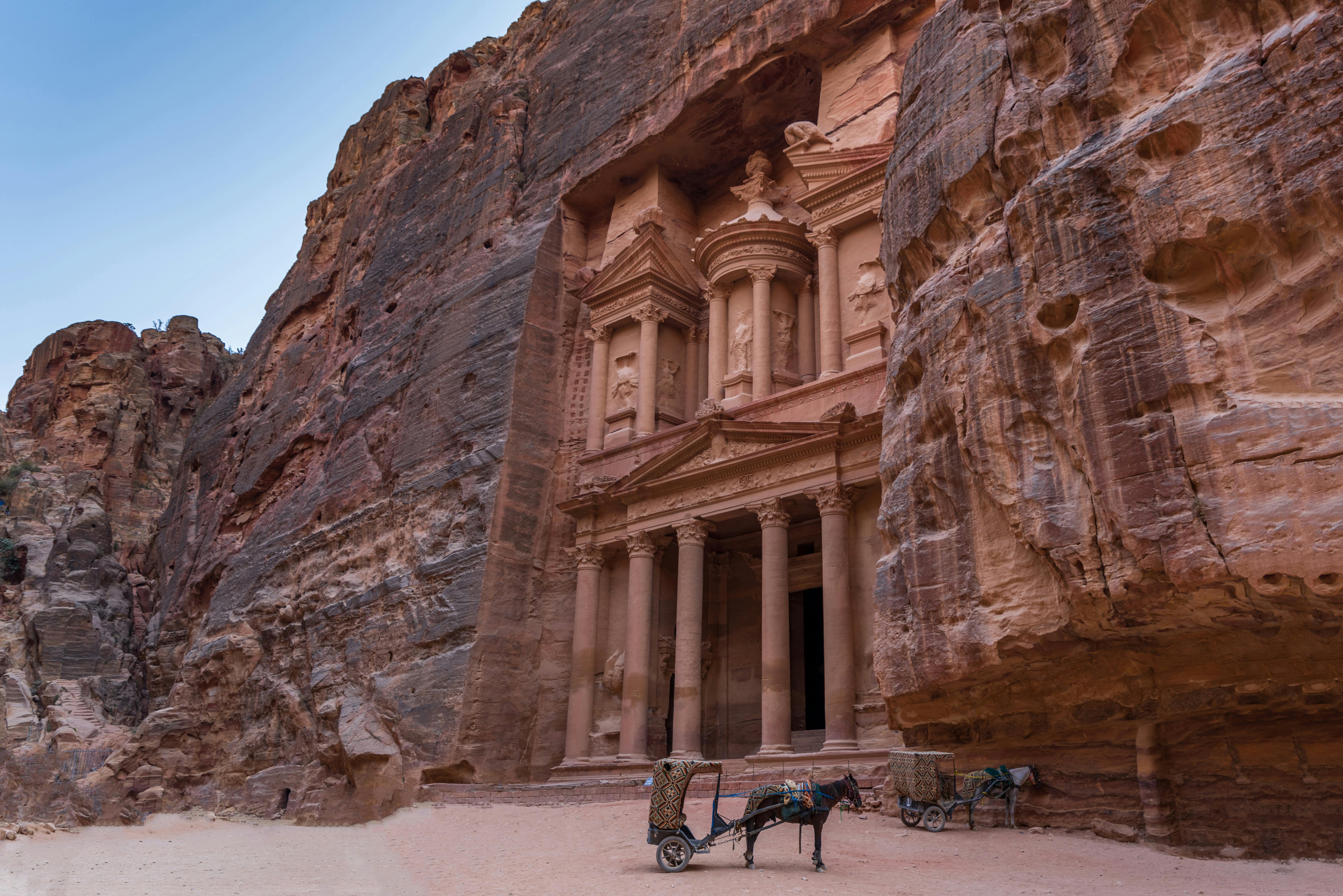
The city is carved directly into vibrant red sandstone cliffs, creating a surreal landscape that seems almost otherworldly. The most famous feature is the Treasury, or Al-Khazneh, a grand façade that greets visitors after a challenging but rewarding walk through the narrow Siq canyon. Beyond the Treasury, Petra reveals a vast complex of tombs, temples, amphitheaters, and ancient water channels. The site’s intricate carvings and impressive engineering showcase the ingenuity of the Nabataean civilization, which thrived in this arid environment.
For budget travelers, Petra offers several ways to experience its wonders without overspending. The entrance fee provides access for a full day, but arriving early or staying for two days can maximize your exploration. Consider purchasing a Jordan Pass, which often includes entry to Petra along with other attractions, saving money overall. Walking or renting a donkey for shorter distances can be more economical than guided tours, and local eateries near the site offer affordable meals. To truly appreciate Petra’s scale and beauty, plan your visit during off-peak hours when the crowds are thinner and the lighting is ideal for photography.
Despite its ancient origins, Petra remains remarkably well-preserved and continues to inspire awe. Its combination of natural beauty, historical depth, and budget-friendly options makes it an exceptional destination for travelers seeking a unique, immersive experience without overspending. Whether marveling at the intricate facades or wandering through the vast archaeological site, visitors leave with a profound sense of discovery and wonder.
Best Time to Visit Asia: A Practical Guide for Budget Travelers
Understanding Asia’s Climate and Seasons
Asia is a vast continent with diverse climates, making timing crucial for budget-conscious travelers. Generally, the best time to visit depends on the region and your preferences for weather and crowd levels. The key factors to consider include weather conditions, peak tourist seasons, and off-peak advantages.
Optimal Seasons for Budget Travel
For most parts of Asia, the shoulder seasons—spring (March to May) and autumn (September to November)—offer the best balance. During these months, weather remains pleasant, and prices tend to drop after the peak seasons. For example, visiting Southeast Asia in late spring or early autumn can save you money while avoiding the heavy crowds.
Weather Considerations
In regions like Southeast Asia, monsoon seasons (June to August and November to January) bring heavy rains, which can disrupt travel plans but also reduce prices. Conversely, winter months (December to February) are dry and cool, ideal for sightseeing but often more expensive due to high tourist influx.
Peak Tourist Seasons and Their Drawbacks
Major festivals and holidays—such as Chinese New Year and Golden Week—bring large crowds and higher prices. Traveling during these times often means paying premium rates for accommodations and transport. If you’re on a budget, it’s best to avoid these peak periods unless you can score deals or want to experience local festivities.
Benefits of Traveling Off-Peak
- Lower accommodation and flight costs
- Fewer tourists at popular sites, offering a more authentic experience
- Better availability of budget options and last-minute deals
Summary Table: Pros and Cons of Visiting Asia at Different Times
| Time Period | Pros | Cons |
|---|---|---|
| Peak Season (Dec-Feb, major festivals) | Ideal weather, lively festivals | Higher prices, crowds, limited availability |
| Shoulder Seasons (Spring & Autumn) | Good weather, fewer tourists, better deals | Occasional unpredictable weather |
| Off-Peak (Monsoon months) | Lowest prices, quiet attractions | Heavy rains, some sites may be inaccessible |
For budget travelers, the best strategy is to plan visits during shoulder or off-peak seasons, balancing weather and costs. This approach allows you to enjoy Asia’s rich culture and stunning sights without overspending, making your trip both memorable and affordable.
How to Get to Asia: Your Guide to Budget-Friendly Travel Options
Asia is a vast continent filled with diverse cultures, stunning landscapes, and vibrant cities. Whether you’re seeking the bustling streets of Bangkok, serene beaches in Bali, or historic sites in Kyoto, reaching Asia on a budget is entirely possible with proper planning. This section will explore the most affordable and convenient ways to get to Asia, helping you start your adventure without breaking the bank.
Flights to Asia
For most travelers, flights are the primary mode of transportation to Asia. To find the best deals, consider booking well in advance and being flexible with your travel dates. Low-cost airlines such as AirAsia, Scoot, and Cebu Pacific often offer budget-friendly fares to major Asian hubs like Bangkok, Kuala Lumpur, and Manila. Additionally, use fare comparison websites to identify the cheapest options across multiple airlines. Flying into major international airports can also save money, as they tend to have more flight options and competitive prices.
Traveling Within Asia: Trains, Buses, and More
Once you’ve arrived, moving around Asia can be both affordable and efficient. Many countries boast extensive train networks, such as Japan’s Shinkansen, which, although fast, might be pricier. However, budget travelers can opt for bus services or shared transportation options, which are often much cheaper. For example, long-distance buses in Thailand, Vietnam, and India provide economical ways to explore the region. In some countries, overnight buses or trains can save on accommodation costs as well.
Travel Tips and Important Information
- Plan ahead to secure the best flight deals and transportation options.
- Check visa requirements for your destination country to avoid last-minute issues.
- Use local transportation like tuk-tuks, rickshaws, or metro systems for short distances, which are often very inexpensive.
- Travel during shoulder seasons to enjoy lower prices and fewer crowds.
- Be aware of safety protocols and travel advisories, especially during peak or unpredictable times.
By combining budget airlines, local transportation, and strategic planning, you can explore Asia affordably. Remember, the key to budget travel is flexibility and research, ensuring that your journey to this fascinating continent remains both economical and memorable.
Best Places to Stay in Asia: Accommodations for Every Budget
Asia offers a diverse range of lodging options, catering to travelers with different budgets and preferences. Whether you’re seeking luxury, mid-range comfort, or budget-friendly stays, the continent has something for everyone. Here, we explore some top choices across various price points, emphasizing unique features and value for money.
Luxury Options: Indulge in Opulence and Exclusive Experiences
If you’re looking to splurge, Asia boasts some of the world’s most luxurious hotels that promise an unforgettable stay. These properties often feature world-class amenities, stunning architecture, and personalized services. For example, in Bangkok, the Mandarin Oriental Bangkok stands out with its elegant colonial design, riverside location, and renowned spa treatments. Guests enjoy impeccable service, exquisite dining options, and a tranquil atmosphere that embodies luxury.
In Singapore, the Marina Bay Sands offers a modern marvel with its iconic rooftop infinity pool and panoramic city views. Its spacious suites, fine dining establishments, and access to high-end shopping make it a perfect choice for travelers seeking the best of the best. Similarly, in Bali, the Four Seasons Resort Bali at Sayan provides a secluded retreat nestled in lush jungle surroundings, blending traditional Balinese design with modern comforts.
Mid-Range Stays: Comfort Meets Affordability
For travelers wanting a balance between comfort and cost, mid-range hotels are an excellent option. These accommodations often feature stylish decor, good amenities, and convenient locations. In Tokyo, the Shinjuku Granbell Hotel offers contemporary rooms with smart design, situated in the bustling Shinjuku district. It provides easy access to transportation and vibrant nightlife, making it ideal for exploring the city.
In Chiang Mai, the Rimping Village combines traditional Thai charm with modern comforts. Its friendly atmosphere, lush gardens, and proximity to markets and temples make it a favorite among mid-range travelers. Similarly, in Ho Chi Minh City, the Alagon Saigon Hotel & Spa offers spacious rooms, a rooftop pool, and excellent service at an affordable price point.
Budget Options: Discover Asia Without Breaking the Bank
Travelers on a tight budget can still enjoy authentic experiences by choosing hostels, guesthouses, or boutique hotels. In Kuala Lumpur, the Backpackers Guesthouse offers clean dormitories, friendly staff, and a lively social atmosphere, perfect for meeting fellow travelers. In Hanoi, the Hanoi La Siesta Hotel & Spa provides comfortable rooms, excellent location, and affordable luxury, making it a standout choice for budget-conscious visitors.
In Bali, budget travelers often opt for guesthouses like Ubud Badi House, which offers cozy rooms at a fraction of hotel prices, often with charming gardens and a welcoming vibe. These options allow travelers to immerse themselves in local culture while keeping expenses low.
In summary, Asia’s diverse accommodations ensure that every traveler, regardless of budget, can find a memorable stay. From lavish resorts to cozy guesthouses, the continent invites exploration and comfort at every price point.
Essential Travel Products for Visitors to Asia
Universal Travel Adapter with USB Ports
One of the most vital accessories for any traveler heading to Asia is a reliable universal travel adapter with USB ports. Asia’s diverse countries feature a wide array of electrical outlets, from Type A and B in Japan and the Philippines to Type C and D in India and parts of Southeast Asia. This all-in-one adapter simplifies charging multiple devices without the hassle of carrying several converters. It typically includes multiple USB ports, allowing travelers to charge smartphones, tablets, power banks, and even small gadgets simultaneously. Many models also feature built-in safety measures such as surge protection and fire-resistant materials, ensuring peace of mind during extended trips. Compact and lightweight, this adapter easily fits into carry-on luggage or daypacks, making it perfect for budget travelers who want to avoid the expense and inconvenience of buying multiple adapters in each country. You can find high-quality universal adapters on Amazon, travel gear stores, or electronics retailers online, often at prices ranging from $20 to $40.
Portable Power Bank with Fast Charging
Another indispensable product is a portable power bank. Traveling across Asia often involves long days of exploring bustling markets, historic sites, and scenic landscapes, all while relying heavily on smartphones for navigation, photos, and communication. A high-capacity power bank, with at least 10,000mAh, ensures your devices stay charged throughout the day, even in areas with limited power outlets. Look for models that offer fast-charging capabilities and multiple output ports, enabling you to power up multiple devices simultaneously. Some power banks come with built-in cables or wireless charging features, adding to their convenience. Compact and lightweight, these devices are easily carried in a backpack or purse, making them perfect for budget travelers who want to avoid the expense of frequent cafes or charging stations. Available from brands like Anker, Aukey, or RavPower, these power banks typically cost between $25 and $50 but can save you from the frustration of a dead device during your adventures.
Browse popular travel essentials on Amazon
Guidebooks for Budget Getaways in Asia
Best Budget Getaways Travel Guide Asia (Kindle Unlimited & Audible)
For travelers seeking affordable adventures in Asia, the right guidebook can make all the difference. Here are three excellent options available on Kindle Unlimited and Audible that focus on budget-friendly travel experiences across the continent.
1. “Asia on a Shoestring” by Lonely Planet
This comprehensive guide offers detailed insights into budget accommodations, inexpensive eateries, and affordable transportation options across numerous Asian countries. It highlights hidden gems and local experiences that won’t break the bank, making it ideal for backpackers and budget travelers. The book also features practical tips on saving money, avoiding tourist traps, and navigating cultural differences. As a Kindle Unlimited title, it provides easy access for digital readers, while the Audible version allows travelers to listen on the go during long bus rides or flights.
2. “Affordable Asian Adventures” by Nomad Guides
This guide emphasizes off-the-beaten-path destinations that are less commercialized but rich in culture and natural beauty. It includes detailed itineraries, budget-friendly accommodation options, and tips for finding authentic local cuisine. The book’s focus on lesser-known spots helps travelers stretch their dollars further while experiencing Asia’s true essence. Available on Kindle Unlimited and Audible, it’s perfect for spontaneous planning and inspiration during travel.
3. “Cheap Thrills in Asia” by Backpacker’s Digest
Designed specifically for backpackers and budget explorers, this guide provides practical advice on saving money in popular destinations such as Thailand, Vietnam, and Indonesia. It covers everything from free or low-cost activities to affordable transport and hostels. The narrative is engaging and filled with personal stories, making it an enjoyable listen on Audible or a handy reference on Kindle Unlimited. This book helps travelers maximize their budget while still enjoying memorable experiences across Asia.
By combining these practical guidebooks with essential travel products, budget travelers can confidently explore Asia’s diverse landscapes and cultures without overspending. Whether navigating unfamiliar outlets or seeking affordable adventures, these resources support a seamless and enriching journey.
Your next journey starts with a story – listen free with Audible’s trial!
Frequently Asked Questions about the Best Budget Getaways in Asia
1. What are some affordable destinations in Asia for budget travelers?
Asia offers a wealth of budget-friendly destinations that don’t compromise on experience. Countries like Vietnam, Cambodia, Thailand, Indonesia, and Sri Lanka are renowned for their affordability. Cities such as Hanoi, Phnom Penh, Bangkok, Bali, and Colombo provide inexpensive accommodation, delicious street food, and plenty of free or low-cost attractions. These destinations allow travelers to immerse themselves in local culture without overspending, making them ideal for those seeking memorable yet economical getaways.
2. How can I find affordable accommodation options?
To maximize your budget, consider staying in hostels, guesthouses, or budget hotels. Many of these accommodations offer private rooms at a fraction of the cost of international chains. Websites like Booking.com, Hostelworld, and Airbnb are excellent resources for finding affordable stays. Additionally, choosing accommodations slightly outside major tourist hubs can significantly reduce costs. Look for places that include free Wi-Fi, breakfast, or communal kitchens, which can further save money during your trip.
3. What are the best ways to save on transportation within Asia?
Transportation costs can vary widely, but there are several budget-friendly options. Local buses, tuk-tuks, and shared taxis are inexpensive and widely available. For longer distances, consider buses, trains, or budget airlines, which often offer promotional fares. Booking tickets in advance can secure better deals, especially for trains and flights. Using ride-hailing apps like Grab in Southeast Asia also provides affordable and convenient transportation options, often cheaper than taxis.
4. How can I enjoy local cuisine without overspending?
Street food is a highlight of budget travel in Asia. Markets and street stalls serve authentic dishes at a fraction of restaurant prices. Try local specialties such as Pho in Vietnam, Pad Thai in Thailand, or Nasi Goreng in Indonesia. Eating where locals do not only saves money but also offers a more genuine cultural experience. Always ensure food hygiene standards are met, and carry cash, as many small vendors do not accept cards.
5. Are there free or low-cost activities suitable for budget travelers?
Absolutely. Many Asian destinations boast beautiful natural attractions, temples, markets, and cultural sites that are either free or inexpensive to visit. Enjoy scenic hikes, relax on beaches, explore local markets, or visit temples with a minimal entrance fee. Participating in free walking tours or cultural festivals can enrich your experience without adding to your expenses. Planning your itinerary around these affordable activities ensures a fulfilling trip within your budget.
6. What should I pack to avoid extra expenses during my trip?
Packing smartly can prevent unnecessary costs. Bring essentials such as comfortable walking shoes, a reusable water bottle, sunscreen, and lightweight clothing suitable for the climate. A small first aid kit and any necessary medications are also wise. Additionally, packing a universal power adapter and travel-sized toiletries can save money and space. Preparing your own snacks and souvenirs at local markets can also be more economical than buying from tourist spots.
7. Why is planning ahead crucial for budget travel in Asia?
Early planning allows you to take advantage of discounts on flights, accommodations, and activities. Researching and booking in advance often results in better prices and availability. Creating a flexible itinerary helps you prioritize must-see sites while leaving room for spontaneous adventures. Furthermore, understanding local customs, currency exchange rates, and transportation options can prevent costly mistakes. Overall, thoughtful preparation ensures a smoother, more affordable journey, maximizing your experience without overspending.

Click here & start earning cashback on travel & shopping!
Embark on Your Budget-Friendly Adventure Today
Exploring Asia doesn’t have to break the bank. Throughout this guide, we highlighted some of the best budget getaways that combine affordability with unforgettable experiences. From the vibrant streets of Chiang Mai to the serene beaches of Bali, each destination offers unique charms and affordable options for travelers seeking adventure without overspending.
Key points to remember include prioritizing local accommodations, sampling street food, and utilizing budget-friendly transportation. These strategies not only save money but also enrich your cultural experience. Additionally, off-the-beaten-path destinations often present fewer crowds and more authentic encounters, making your trip more meaningful and memorable.
Whether you’re a solo traveler, a couple, or a family, these destinations provide diverse activities, from exploring ancient temples to enjoying stunning natural landscapes—all at a fraction of the usual cost. Planning ahead and researching local deals can further maximize your budget, ensuring you get the most value out of every dollar spent.
Now is the perfect time to start planning your Asian adventure. Dive deeper into each destination’s offerings, create your itinerary, and embrace the thrill of discovering new places without stretching your finances. Your next budget-friendly getaway awaits—so pack your bags and get ready for an unforgettable journey!